U.S. Lawmakers Introduce Bill Naming Kwankwaso, Fulani Groups Over Alleged Religious Violence in Nigeria

Table of Content

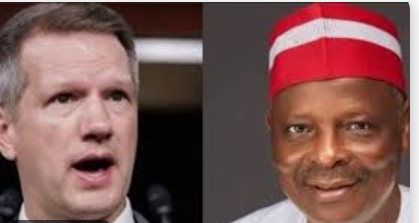
A group of Republican lawmakers in the U.S. House of Representatives has introduced new legislation that names former Kano State Governor and Nigerian political leader Rabiu Musa Kwankwaso in connection with alleged religious persecution in Nigeria.

The proposed legislation, titled the Nigeria Religious Freedom and Accountability Act of 2026 (H.R. 7457), was introduced by Rep. Riley Moore (R-WV) and co-sponsored by several senior House Republicans, including Rep. Chris Smith (R-NJ), Rep. Brian Mast (R-FL), Rep. Tom Cole (R-OK), Rep. Mario Diaz-Balart (R-FL), and Rep. Bill Huizenga (R-MI).

What the Bill Proposes

The bill directs the U.S. Secretary of State to submit a comprehensive report to Congress on religious persecution and mass atrocities in Nigeria. It also calls for consideration of targeted sanctions — including visa bans and asset freezes — against individuals and entities found responsible for severe violations of religious freedom.

Among those named for evaluation under potential sanctions is Rabiu Musa Kwankwaso, a former governor of Kano State, former senator, and 2023 presidential candidate under the New Nigeria Peoples Party (NNPP).

In addition to Kwankwaso, the bill references:

  • Fulani ethnic militias operating in Nigeria
  • Miyetti Allah Cattle Breeders Association of Nigeria (MACBAN)
  • Miyetti Allah Kautal Hore

Lawmakers are urging the U.S. State Department to assess whether certain groups should be designated as Foreign Terrorist Organizations (FTOs) and whether specific individuals meet the criteria for sanctions under the Global Magnitsky Human Rights Accountability Act.

Lawmakers’ Position

Supporters of the bill argue that Nigeria has experienced prolonged religious violence, particularly in the Middle Belt and northern regions, where Christian communities have reported attacks attributed to armed groups, including some linked to herder-farmer conflicts.

Rep. Chris Smith, a longtime advocate on international religious freedom issues, has previously chaired hearings examining claims of religious persecution in Nigeria. Sponsors of the bill say stronger U.S. action is needed to hold perpetrators accountable and to pressure Nigerian authorities to protect vulnerable communities.

No Sanctions Yet

The legislation has been introduced in the House but has not yet become law. It must pass committee review and be approved by both the House and Senate before being signed by the president.

Importantly, being named in the bill does not automatically impose sanctions. It requires U.S. agencies to investigate and determine whether individuals or entities meet the legal threshold for penalties.

Broader Context

The bill comes amid continued debate in Washington over Nigeria’s designation as a “Country of Particular Concern” (CPC) under U.S. religious freedom laws. Some U.S. lawmakers have pressed for stronger diplomatic and economic measures, arguing that religious violence in Nigeria remains inadequately addressed.

Kwankwaso, a prominent northern Nigerian political figure, has not publicly responded to the U.S. bill as of the time of publication. His political allies have previously dismissed similar allegations as politically motivated.

The legislation is expected to generate diplomatic discussion between Washington and Abuja if it advances through Congress.

Further developments will depend on congressional deliberations and potential committee hearings in the coming weeks.

support@paulkizitoblog.com

support@paulkizitoblog.com http://paulkizitoblog.com

Leave a Reply

Your email address will not be published. Required fields are marked *

Recent News

Trending News

Editor's Picks

U.S. Lawmakers Introduce Bill Naming Kwankwaso, Fulani Groups Over Alleged Religious Violence in Nigeria

A group of Republican lawmakers in the U.S. House of Representatives has introduced new legislation that names former Kano State Governor and Nigerian political leader Rabiu Musa Kwankwaso in connection with alleged religious persecution in Nigeria. The proposed legislation, titled the Nigeria Religious Freedom and Accountability Act of 2026 (H.R. 7457), was introduced by Rep. Riley Moore (R-WV) and co-sponsored by several senior House Republicans, including Rep. Chris Smith (R-NJ), Rep. Brian Mast (R-FL), Rep. Tom Cole (R-OK), Rep. Mario Diaz-Balart (R-FL), and Rep. Bill Huizenga (R-MI). What the Bill Proposes The bill directs the U.S. Secretary of State to submit a comprehensive report to Congress on religious persecution and mass atrocities in Nigeria. It also calls for consideration of targeted sanctions — including visa bans and asset freezes — against individuals and entities found responsible for severe violations of religious freedom. Among those named for evaluation under potential sanctions is Rabiu Musa Kwankwaso, a former governor of Kano State, former senator, and 2023 presidential candidate under the New Nigeria Peoples Party (NNPP). In addition to Kwankwaso, the bill references: Lawmakers are urging the U.S. State Department to assess whether certain groups should be designated as Foreign Terrorist Organizations (FTOs) and whether specific individuals meet the criteria for sanctions under the Global Magnitsky Human Rights Accountability Act. Lawmakers’ Position Supporters of the bill argue that Nigeria has experienced prolonged religious violence, particularly in the Middle Belt and northern regions, where Christian communities have reported attacks attributed to armed groups, including some linked to herder-farmer conflicts. Rep. Chris Smith, a longtime advocate on international religious freedom issues, has previously chaired hearings examining claims of religious persecution in Nigeria. Sponsors of the bill say stronger U.S. action is needed to hold perpetrators accountable and to pressure Nigerian authorities to protect vulnerable communities. No Sanctions Yet The legislation has been introduced in the House but has not yet become law. It must pass committee review and be approved by both the House and Senate before being signed by the president. Importantly, being named in the bill does not automatically impose sanctions. It requires U.S. agencies to investigate and determine whether individuals or entities meet the legal threshold for penalties. Broader Context The bill comes amid continued debate in Washington over Nigeria’s designation as a “Country of Particular Concern” (CPC) under U.S. religious freedom laws. Some U.S. lawmakers have pressed for stronger diplomatic and economic measures, arguing that religious violence in Nigeria remains inadequately addressed. Kwankwaso, a prominent northern Nigerian political figure, has not publicly responded to the U.S. bill as of the time of publication. His political allies have previously dismissed similar allegations as politically motivated. The legislation is expected to generate diplomatic discussion between Washington and Abuja if it advances through Congress. Further developments will depend on congressional deliberations and potential committee hearings in the coming weeks. support@paulkizitoblog.com