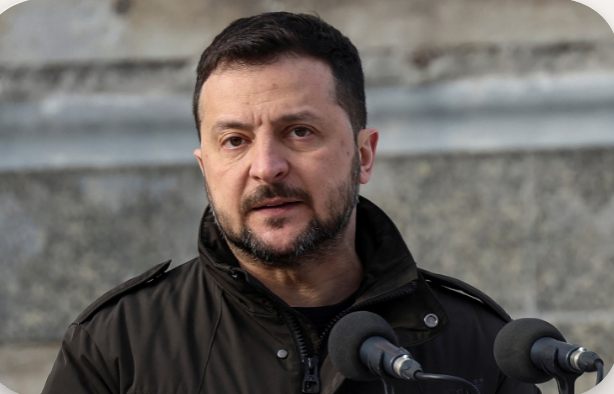
📰 What Zelenskyy Proposed
- Compromise on Territory: Zelenskyy acknowledged the painful issue of Russian demands for Ukraine to surrender land in Donetsk and other occupied regions. He suggested that Ukrainians themselves should decide through a referendum whether concessions are acceptable.
- Demilitarized Zones: In his 20-point peace plan, Zelenskyy mentioned the possibility of creating demilitarized buffer zones in contested areas to reduce fighting.
- Zaporizhzhia Nuclear Plant: He rejected a U.S. idea of joint management with Russia but floated a 50-50 U.S.–Ukraine oversight model as a compromise, excluding Russia from direct control.
- Peace Talks Context: These proposals are part of ongoing U.S.-led negotiations aimed at ending the war, but Russia has given no indication of agreement.
⚖️ Why It Matters
- Ukraine’s Position: Zelenskyy insists that Ukraine will not simply cede territory, but is open to creative solutions that preserve sovereignty while addressing Russian demands.
- Russia’s Stance: The Kremlin continues to demand full Ukrainian withdrawal from occupied eastern territories, making compromise difficult.
- International Mediation: The U.S. and allies are pushing for a framework that could stabilize the conflict, but balancing sovereignty with concessions remains the central challenge.
📊 Key Details
| Proposal | Description | Russia’s Response |
|---|---|---|
| Referendum | Ukrainians vote on concessions in Donetsk | No official response yet |
| Demilitarized Zones | Buffer areas to reduce fighting | Kremlin reviewing, no acceptance |
| Zaporizhzhia Plant | 50-50 U.S.–Ukraine management | Russia excluded, likely to reject |
🚨 Implications
- For Ukraine: Zelenskyy is signaling flexibility but also reinforcing that sovereignty cannot be dictated by Moscow.
- For Russia: The proposals test whether Moscow is willing to compromise beyond territorial control.
- For Global Security: The nuclear plant compromise highlights the risk of escalation if no agreement is reached.
- For Peace Talks: These ideas may keep negotiations alive, but the gap between Kyiv and Moscow remains wide.
References
- PBS NewsHour. (2025, December 24). Zelenskyy proposes compromise for Russian-occupied areas of Ukraine in latest peace talks. PBS. https://www.pbs.org/newshour/show/zelenskyy-proposes-compromise-for-russian-occupied-areas-of-ukraine-in-latest-peace-talks
- United24 Media. (2025, December 22). Zelenskyy proposes 50-50 US–Ukraine management of Zaporizhzhia Nuclear Plant in new peace plan. United24. https://united24media.com/latest-news/zelenskyy-proposes-50-50-us-ukraine-management-of-zaporizhzhia-nuclear-plant-in-new-peace-plan-14519
- CBC News. (2025, December 17). Under pressure to surrender land to Russia, Zelenskyy pitches a referendum. CBC. https://www.cbc.ca/news/world/ukraine-donetsk-russia-negotiations-9.7018008
- CBS News. (2025, December 24). Ukraine peace plan might include demilitarized zones, Zelenskyy says. CBS News. https://www.cbsnews.com/news/russia-ukraine-war-demilitarized-zones-zelenskyy