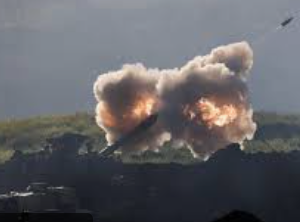
In a development that has heightened global tensions, the International Atomic Energy Agency (IAEA) has called for urgent military restraint following reported strikes by the United States and Israel on one of Iran’s most sensitive nuclear sites.
The facility in question, located at Natanz Nuclear Facility, is central to Iran’s uranium enrichment program. News of the attack has sparked immediate concern among international observers, not only because of its strategic significance but also due to the potential risks associated with targeting nuclear infrastructure.
A Dangerous Escalation
According to Iranian authorities, the Natanz site was hit amid a broader wave of military activity in the region. While details about the extent of the damage remain limited, the implications are far-reaching. Nuclear facilities are uniquely vulnerable targets—any disruption can trigger radiological hazards, environmental contamination, and long-term health risks.
The IAEA confirmed it is closely monitoring the situation and seeking clarity on the status of the facility. So far, there have been no verified reports of radiation leaks, but the agency emphasized that the situation remains fluid and potentially dangerous.
The IAEA’s Warning
In its statement, the IAEA underscored a long-standing principle: military action against nuclear sites carries unacceptable risks. The agency urged all parties involved to avoid further escalation and to prioritize diplomatic channels over force.
This appeal reflects growing anxiety within the international community that the conflict could spiral beyond conventional warfare. Nuclear-related incidents—intentional or accidental—have the potential to cross borders quickly, affecting populations far beyond the immediate conflict zone.
Regional Tensions, Global Consequences
The strike comes amid an already volatile geopolitical climate. The long-standing rivalry between Iran and Israel, coupled with the involvement of the United States, has transformed the situation into a broader regional crisis with global implications.
Retaliatory actions are already being reported, raising fears of a sustained cycle of escalation. Energy markets have begun to react, and governments worldwide are reassessing security risks and diplomatic strategies.
Diplomacy at a Crossroads
For years, efforts to manage Iran’s nuclear ambitions have relied on negotiation frameworks and international oversight. The latest developments threaten to unravel those fragile mechanisms.
The IAEA’s call is clear: there is no military solution to nuclear concerns. The agency continues to advocate for renewed dialogue, transparency, and adherence to international agreements as the only viable path forward.
A Critical Moment
As the situation unfolds, the world watches closely. The coming days will be crucial in determining whether this incident becomes a turning point toward wider conflict—or a catalyst for renewed diplomatic engagement.
What remains certain is that the stakes are extraordinarily high. When nuclear facilities become targets, the consequences are no longer confined to borders—they become a matter of global security.