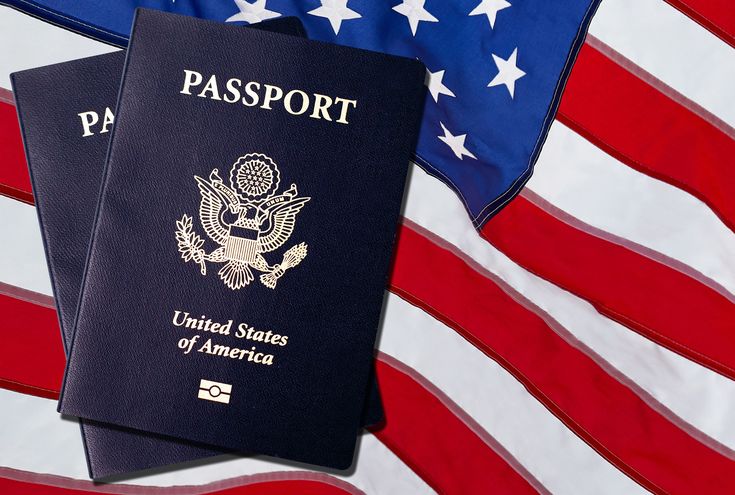
Washington, D.C. — The United States has expanded its travel restrictions, adding seven additional countries to its existing travel ban framework, as the White House intensifies its focus on border security and immigration screening. The updated policy, announced through a presidential proclamation, significantly widens the scope of nations facing either full or partial entry suspensions into the U.S.
Burkina Faso
Mali
Niger
South Sudan
Syria
Laos
Sierra Leone
According to U.S. officials, the decision follows an extensive interagency review involving national security, immigration, and intelligence authorities. The review assessed countries based on factors such as identity-management systems, passport integrity, information-sharing cooperation, and the ability to verify travelers’ backgrounds.
Scope of the Expansion
Under the revised policy, citizens of the newly added countries who are outside the United States and do not already possess valid visas are subject to entry restrictions. Some nations face a full suspension of travel, while others are subject to partial limitations, affecting specific visa categories such as tourist, student, or exchange visas.
U.S. authorities emphasised that the policy is not a blanket ban on all nationals of the affected countries. Exemptions may apply for diplomats, humanitarian cases, lawful permanent residents, and individuals granted waivers on grounds of national interest.
National Security Rationale
The White House said the expansion reflects ongoing concerns that certain governments lack reliable civil documentation systems or fail to provide sufficient cooperation with U.S. vetting processes. Officials argue that these gaps increase the risk of admitting individuals whose identities or backgrounds cannot be adequately verified.
Administration representatives framed the move as part of a broader effort to modernise immigration controls while maintaining openness to lawful and secure travel. They stressed that countries can be removed from the list if they demonstrate measurable improvements in security cooperation and data transparency.
International and Domestic Reactions
The expanded travel restrictions have prompted varied reactions globally. Some governments affected by the decision expressed disappointment and warned of potential diplomatic consequences, including reciprocal travel measures. Civil rights groups and migration advocates criticised the policy as overly restrictive, arguing that it disproportionately affects ordinary travelers, students, and families.
Supporters of the move, however, maintain that sovereign states have a right to control their borders and ensure that entry procedures meet national security standards, particularly amid rising global instability.
Impact on Travel and Migration
The policy is expected to have immediate implications for international travel, educational exchanges, and diaspora communities with ties to the affected countries. Airlines, universities, and immigration attorneys have begun advising travelers to closely review eligibility rules and seek guidance before making travel plans.
Experts note that while travel bans can reduce specific security risks, they may also reshape migration patterns and diplomatic relationships, especially when applied across multiple regions simultaneously.
Looking Ahead
The White House indicated that the travel ban framework will remain under continuous review. Officials said adjustments may be made as global conditions evolve and as affected countries engage with U.S. authorities to address security concerns.
As the expanded restrictions take effect, the policy underscores the continuing tension between national security priorities and global mobility in an increasingly interconnected world.
References
- The White House
Presidential Proclamation on the suspension and limitation of entry of certain foreign nationals based on national security and information-sharing concerns.
https://www.whitehouse.gov/briefing-room/presidential-actions/ - U.S. Department of Homeland Security (DHS)
Overview of immigration vetting, screening standards, and country-based entry restrictions.
https://www.dhs.gov/immigration-statistics - U.S. Department of State – Bureau of Consular Affairs
Visa restrictions, waivers, and country-specific travel guidance.
https://travel.state.gov - Congressional Research Service (CRS)
U.S. Immigration: Presidential Authority and Travel Restrictions
https://crsreports.congress.gov - International Air Transport Association (IATA)
Travel regulations and entry requirements affecting international passengers.
https://www.iata.org/en/services/compliance/timatic/ - United Nations International Organization for Migration (IOM)
Global mobility, migration policy impacts, and international travel governance.
https://www.iom.int