🌍 What Happened
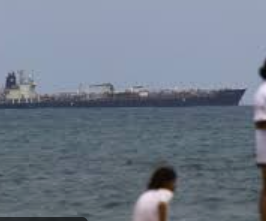
- Seizures: The US intercepted and seized two Venezuelan oil tankers in international waters. A third vessel is reportedly being pursued.
- US Position: President Donald Trump ordered a naval blockade on sanctioned Venezuelan oil tankers, stating the US would keep or sell the crude oil and vessels. He accused President Nicolás Maduro of running a drug cartel.
- Venezuelan Response:
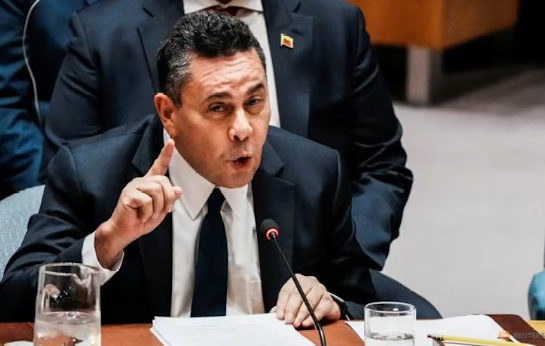
- At the UN, Ambassador Samuel Moncada called the seizures “worse than piracy” and “acts of extortion.”
- He argued the US is seeking control over Venezuela’s oil, mines, and land under threat of armed intervention.
- Venezuela’s parliament quickly passed a law criminalizing the seizure of oil tankers and other actions that hinder navigation and commerce.
⚖️ Key Arguments
| Venezuela’s Claims | US Justifications |
|---|---|
| Seizures are “state piracy” and “extortion” | Enforcement of sanctions against Maduro’s government |
| US seeks colonial-style control over oil and minerals | Maduro accused of drug trafficking and corruption |
| Violates international law and sovereignty | National security and anti-cartel measures |
🚨 Risks & Implications
- Diplomatic Fallout: The confrontation has intensified tensions at the UN, with Venezuela framing the US actions as aggression and extortion.
- Economic Impact: Venezuela’s already fragile oil industry faces further disruption, worsening its economic crisis.
- Geopolitical Stakes: The US deployment of 15,000 troops and naval assets signals a serious escalation.
- Legal Pushback: Venezuela’s new law criminalizing tanker seizures may be symbolic but underscores its intent to resist US pressure.
🔎 Contextual Note
This clash reflects the broader struggle over Venezuela’s oil wealth and sovereignty. The US frames its actions as sanction enforcement and anti-narcotics measures, while Venezuela portrays them as neo-colonial aggression. The rhetoric of “piracy” and “extortion” is meant to rally international opinion against Washington’s blockade.