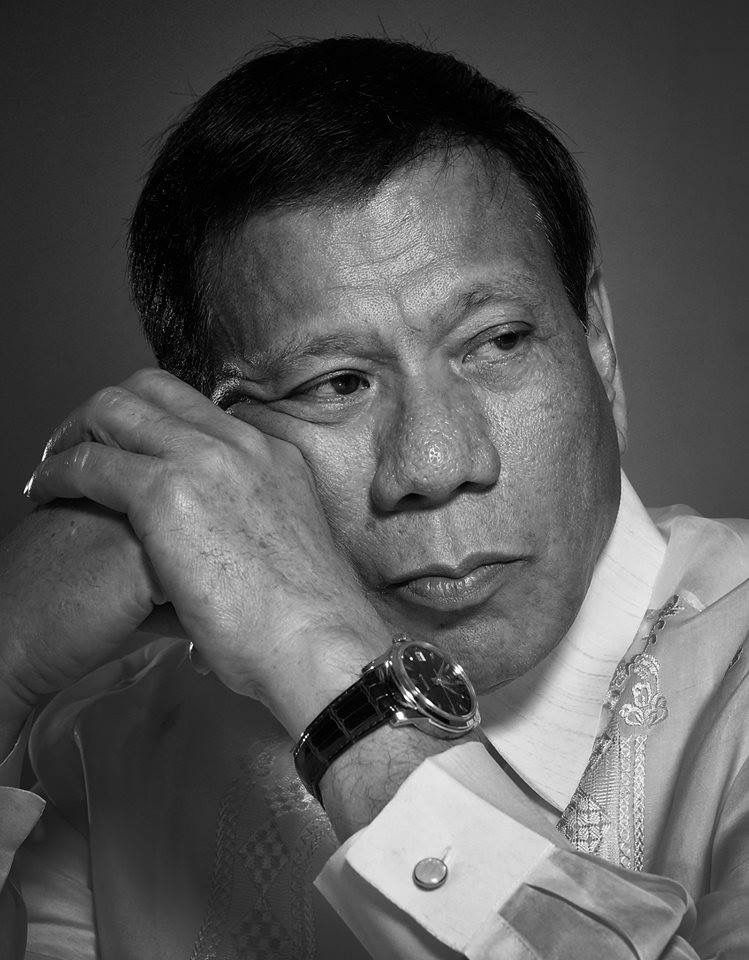
Images circulating online that appear to show former Philippine president Rodrigo Duterte in the
company of convicted sex offender Jeffrey Epstein have been identified as digitally manipulated, underscoring growing concerns about misinformation in the age of artificial intelligence.
The images began spreading across social media platforms amid renewed global interest in Epstein-related court documents. Posts accompanying the photos suggested they were drawn from newly released files, implying an undisclosed connection between Duterte and Epstein. However, digital analysis and media verification efforts indicate the visuals are not authentic photographs but altered or AI-generated fabrications.
There is no credible evidence in official records or verified archives showing Duterte and Epstein together. Experts note that advances in generative AI technology have made it easier to create highly convincing but entirely false images, often designed to provoke outrage or political controversy.
The episode highlights a broader challenge facing international audiences: the rapid circulation of manipulated visuals that can influence public perception before facts are verified. In politically sensitive contexts, such images can inflame tensions, damage reputations and distort global discourse.
As misinformation tactics evolve, media literacy and independent verification are becoming increasingly critical. Analysts recommend scrutinising image sources, checking metadata when possible and relying on established news organisations and professional fact-checkers before accepting viral content as authentic.
In an era where digital fabrication can travel faster than the truth, the burden of verification has never been more important — particularly when allegations involve prominent global figures.