Diplomacy rarely announces itself loudly. More often, it moves in quiet, calculated steps—like a visit that happens just before a bigger conversation begins.
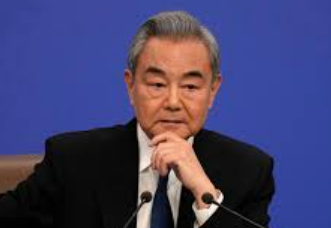
That is precisely how to read the decision by Wang Yi to travel to North Korea, a move that comes at a strategically sensitive moment as speculation grows around a possible visit by Donald Trump to Beijing.
Timing That Speaks Volumes
On paper, the visit is about strengthening ties between China and North Korea. In reality, timing is doing most of the talking.
When a senior Chinese official engages Pyongyang just ahead of potential high-level talks with Washington, it is rarely routine. It suggests preparation—an effort to understand positions, align expectations, and avoid surprises.
China is not waiting for discussions to begin. It is shaping them in advance.
Reasserting Influence in Pyongyang
China has long been North Korea’s most important partner, but recent years have introduced new complexities. Shifts in global alliances and reduced interaction during the pandemic created space for other influences to grow.
By sending Wang Yi to Pyongyang now, Beijing is signaling that it intends to:
- Re-anchor its relationship with North Korea
- Reaffirm its role as a central player in regional diplomacy
- Ensure it is not sidelined in any future negotiations
In short, this is less about rebuilding ties—and more about reinforcing leverage.
The Shadow of Leader-to-Leader Diplomacy
The potential involvement of Trump adds another layer. His earlier engagement with North Korea broke traditional diplomatic patterns, relying heavily on direct, high-level meetings rather than prolonged multilateral processes.
That approach created both opportunities and uncertainty. While it opened doors, it also reduced the role of intermediaries—something China is clearly keen to avoid repeating.
By engaging Pyongyang early, Beijing is positioning itself not as an observer, but as a necessary participant in whatever comes next.
A Calculated Balancing Act
China’s strategy reflects a broader balancing act. It must manage its relationship with North Korea while also preparing for sensitive discussions with the United States.
This involves:
- Maintaining stability on its border
- Preventing escalation on the Korean Peninsula
- Preserving its influence in any diplomatic outcome
These goals do not always align perfectly, which is why early engagement matters.
Why This Matters Globally
At first glance, a diplomatic visit may seem routine. But in this case, it highlights how major powers prepare for negotiations long before they sit at the same table.
Moves like this shape:
- What issues are prioritized
- How positions are framed
- Which players hold influence
For the rest of the world, it is a reminder that global diplomacy is often decided in stages—many of them out of the spotlight.
The Bottom Line
Wang Yi’s visit is not just about China and North Korea. It is about positioning.
As the possibility of high-level talks between Washington and Beijing grows, China is making one thing clear: it intends to enter any conversation fully prepared—and firmly in control of its strategic space.
In geopolitics, the first move is rarely the loudest. But it is often the most important.