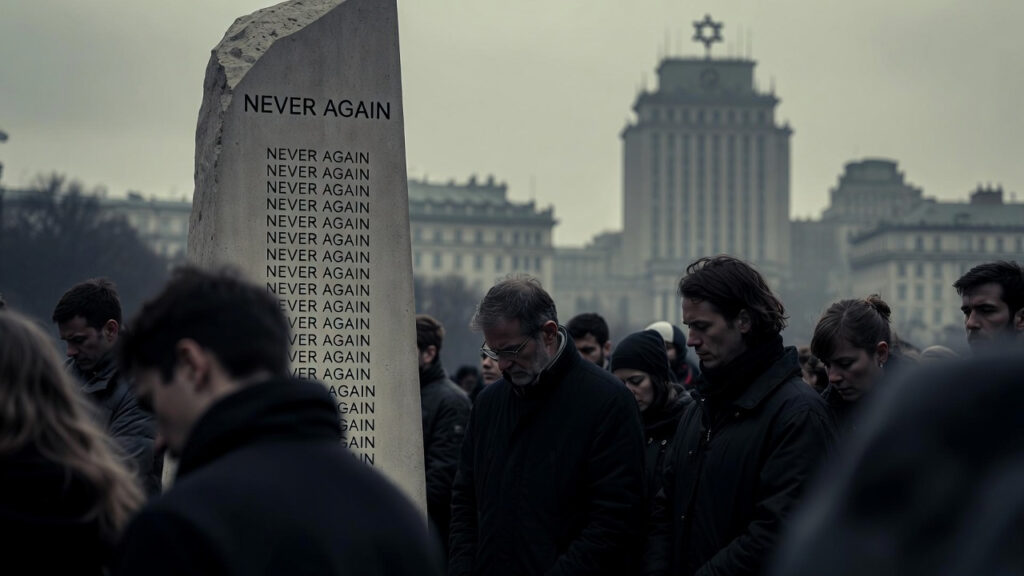
Communities around the world are marking International Holocaust Remembrance Day, honoring the memory of the six million Jews and millions of other victims murdered during the Holocaust, while survivors and global leaders issue renewed warnings about the dangers of forgetting history.
Commemorations are taking place across Europe, North America, and beyond, with ceremonies at memorial sites, government institutions, and educational centers. Survivors’ testimonies remain central to the observances, emphasizing the human cost of hatred, discrimination, and state-sponsored violence.
As the number of living Holocaust survivors continues to decline, speakers stressed the urgency of preserving their stories. Many warned that historical distortion, denial, and the resurgence of antisemitism pose serious threats to truth and collective memory.
Political leaders and international organizations used the occasion to reaffirm commitments to combating antisemitism, protecting human rights, and strengthening Holocaust education. Several officials highlighted the responsibility of governments, schools, and digital platforms to counter hate and misinformation.
International Holocaust Remembrance Day, established by the United Nations, serves not only as a moment of reflection but as a call to action — underscoring that remembrance is essential to preventing future atrocities and safeguarding democratic values.