
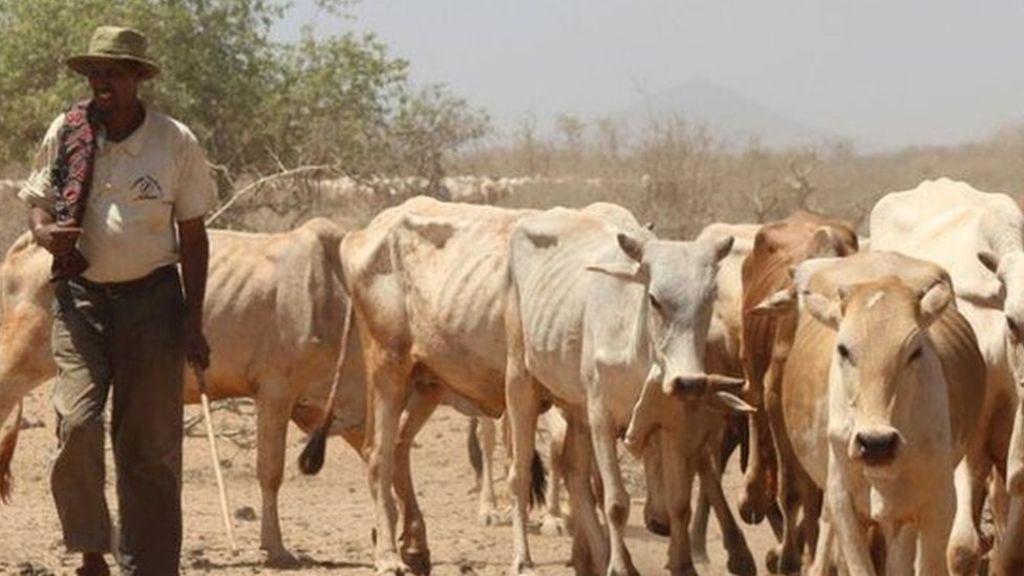
The Federal Government has introduced new nationwide measures aimed at phasing out open grazing and promoting modern livestock management systems across Nigeria. The new framework—which aligns with long-standing recommendations from national security committees, agricultural experts, and regional agreements—seeks to reduce violent farmer–herder conflicts, strengthen food security, and modernize the livestock sector.
According to policy officials, the transition plan places strong emphasis on the establishment of ranches, grazing reserves, and integrated animal husbandry systems. State governments are expected to collaborate closely with federal agencies to develop implementation guidelines tailored to local realities, particularly in communities affected by recurrent clashes.
Government representatives noted that the restrictions on open grazing are part of a broader national livestock transformation strategy designed to:
- Enhance agricultural productivity
- Reduce environmental degradation
- Improve security in rural farming regions
- Encourage investment in commercial ranching
- Protect the rights and livelihoods of both farmers and pastoralists
Agricultural analysts say the policy could mark a major turning point if supported by adequate funding, community engagement, and accountability mechanisms. They emphasize that successful implementation will require coordinated action among local governments, security agencies, traditional institutions, and pastoralist associations.
Civil society groups and conflict-resolution experts welcomed the policy direction, noting that long-term solutions must balance economic needs with sustainable land use and peaceful coexistence.
As the transition begins, authorities say they will roll out public-awareness campaigns and provide technical support to states ready to adopt ranching-based models.
References
International Crisis Group. (2018). Stopping Nigeria’s Spiralling Farmer-Herder Violence.
🔗 https://www.crisisgroup.org/africa/west-africa/nigeria/262-stopping-nigerias-spiralling-farmer-herder-violence
National Economic Council (NEC). (2021). National Livestock Transformation Plan (NLTP).
🔗 https://nec.gov.ng
Food and Agriculture Organization (FAO). (2020). Pastoralism in Nigeria: Policies, challenges, and pathways to sustainable livestock development.
🔗 https://www.fao.org
Institute for Peace and Conflict Resolution (IPCR). (2017). Farmer–Herder Conflicts in Nigeria: Trends, Dynamics and Policy Responses.
🔗 https://ipcr.gov.ng
United Nations Development Programme (UNDP). (2021). Livelihoods, land use and conflict in northern Nigeria.
🔗 https://www.undp.org