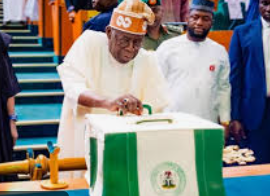
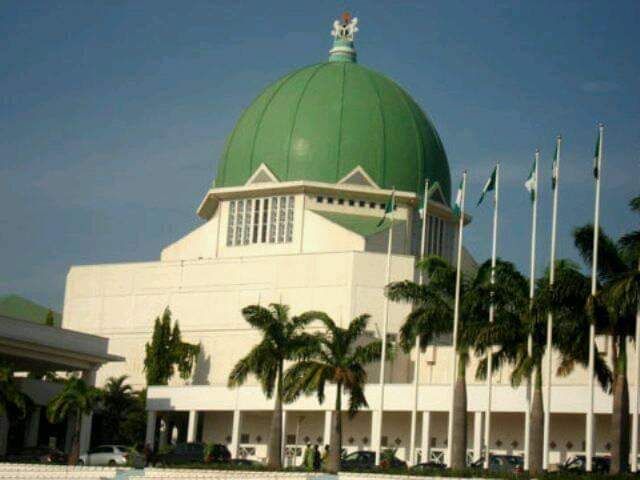
Nigeria’s National Assembly has approved an additional ₦1.15 trillion
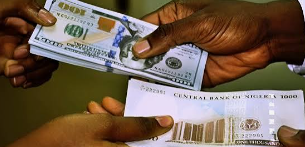
in domestic borrowing to help close the funding gap in the 2025 federal budget. The approval increases the total borrowing under the ₦59.99 trillion spending plan and has triggered widespread debate among economists and analysts.
Government officials say the borrowing is necessary to maintain stability, fund infrastructure, and sustain social programs amid declining oil revenues. Critics, however, warn that the country’s debt burden — now approaching ₦97 trillion — could undermine economic recovery and saddle future generations with unsustainable obligations.
Abuja-based economist Dr. Ugo Eme cautioned that “Nigeria may be borrowing to pay interest,” adding that without effective fiscal discipline, the nation’s debt could spiral out of control.
Some financial experts argue that domestic borrowing shields Nigeria from volatile foreign exchange markets, while others contend it limits private sector access to credit and slows growth.
The government’s challenge now lies in ensuring that borrowed funds are directed toward productive investments capable of generating long-term returns — not merely filling revenue gaps.
References:
Reuters – “Nigeria parliament approves ₦1.15 trillion extra borrowing to cover budget gap” (Nov. 12, 2025)
https://www.reuters.com/world/africa/nigeria-parliament-approves-115-trln-naira-extra-borrowing-cover-budget-gap-2025-11-12/