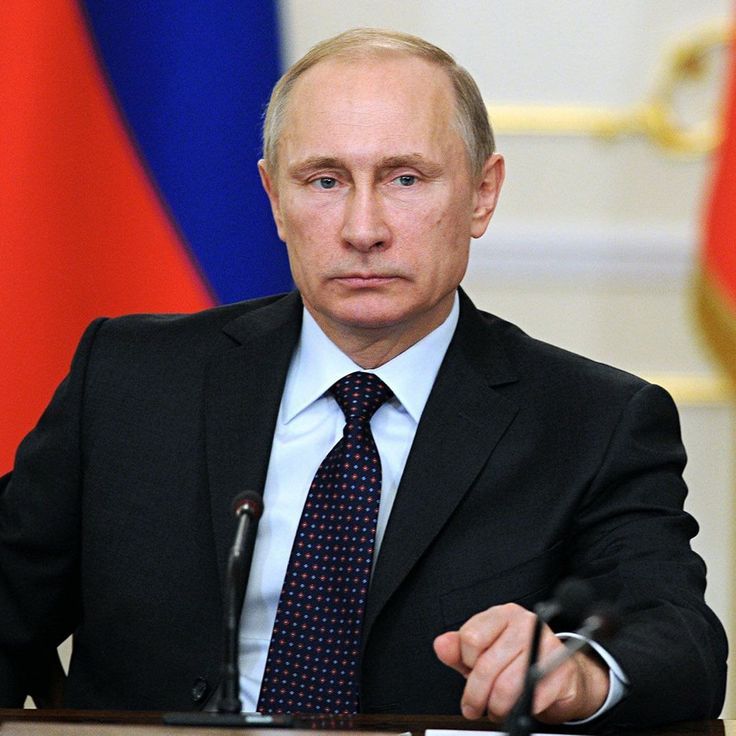
Russian President Vladimir Putin has indicated that Moscow is open to negotiations with European countries, a statement that has drawn cautious reactions across the continent as the war in Ukraine and broader security tensions continue to shape relations between Russia and the West.
Speaking in recent public remarks, Putin suggested that Russia is prepared to engage in dialogue aimed at restoring political and economic ties with Europe. He framed the proposal as an opportunity to move beyond what he described as a period of confrontation and mutual distrust, arguing that Europe’s long-term interests would be better served through diplomacy rather than prolonged isolation of Russia.
A Shift in Tone, Not Necessarily in Policy
While the Kremlin’s language appears conciliatory, analysts note that similar statements have surfaced before without leading to substantive diplomatic breakthroughs. Putin’s comments emphasize readiness to negotiate, but they stop short of outlining concrete concessions or changes to Russia’s military posture in Ukraine.
Russian officials continue to insist that any talks must take into account what Moscow calls “new geopolitical realities,” a phrase widely understood to refer to territory occupied by Russian forces. This position remains a major obstacle for European governments, which have repeatedly stressed that meaningful negotiations must respect Ukraine’s sovereignty and internationally recognized borders.
European Response: Caution and Skepticism
European leaders have reacted cautiously to Putin’s remarks. Officials in Brussels and several EU capitals have reiterated that dialogue is not ruled out in principle, but only if it is accompanied by credible actions that signal a genuine commitment to peace.
Many European policymakers remain skeptical, pointing to Russia’s past diplomatic overtures that were followed by renewed military escalation. As a result, there is little indication that Europe is prepared to ease sanctions or significantly alter its policy toward Moscow in the absence of tangible steps such as a ceasefire or withdrawal of forces.
The Broader Strategic Context
Putin’s comments come at a time when Russia faces sustained economic pressure from Western sanctions and increasing long-term costs associated with the war. At the same time, Europe is grappling with its own challenges, including energy security, defense spending, and political divisions over how to manage relations with Moscow.
Some observers see Putin’s outreach as an attempt to exploit differences within Europe, particularly between countries favoring a hard line on Russia and those more open to re-engagement. Others argue it may be aimed at shaping global perceptions, portraying Russia as reasonable and open to peace while shifting responsibility for the lack of progress onto European governments.
Ukraine Remains Central to Any Negotiations
Despite references to negotiating with Europe, Ukraine remains the central issue. European officials have consistently maintained that any talks affecting Ukraine’s future must include Kyiv directly and cannot be conducted over its head. Ukrainian leaders, for their part, have expressed deep distrust of Russian intentions, citing previous agreements that failed to prevent further conflict.
This dynamic complicates the prospect of Europe-Russia negotiations, as any diplomatic process would require coordination among multiple actors with differing priorities and red lines.
Uncertain Path Forward
For now, Putin’s stated readiness to negotiate appears to be more a signal than a turning point. While it may open space for behind-the-scenes diplomatic contacts, it has not altered Europe’s core position or reduced tensions on the ground.
Whether these statements lead to meaningful dialogue will depend less on rhetoric and more on actions. Until then, Europe’s response is likely to remain cautious, balancing openness to diplomacy with deep concern about security, credibility, and the future of the European order.