The recent arrest of more than 3,700 suspects across multiple countries marks one of the most significant coordinated actions to date against human trafficking and migrant smuggling networks. Led by Interpol
and carried out in partnership with national law-enforcement agencies, the operation targeted criminal groups that profit from some of the world’s most vulnerable people.
Beyond the headline numbers, the operation’s true significance lies in its human impact. Thousands of potential victims were identified and assisted, many of whom were at risk of forced labor, sexual exploitation, or deadly smuggling routes that have claimed countless lives in recent years.
Organized Crime, Global Reach
Human trafficking and migrant smuggling are not isolated crimes confined to one region. They are transnational businesses, often linked to forged documents, money laundering, cybercrime, and corruption. Criminal networks adapt quickly to border controls and humanitarian crises, exploiting conflict, poverty, and displacement.
Interpol’s operation demonstrates that combating these crimes requires the same level of coordination. Intelligence sharing, synchronized raids, and cross-border cooperation were central to identifying suspects and dismantling networks that operate across continents.
This kind of collaboration sends a clear message: international borders will not shield those who traffic in human suffering.
Protecting Victims, Not Just Making Arrests
A key aspect of the crackdown was the parallel focus on victim protection. Law-enforcement agencies worked alongside humanitarian organizations to identify individuals in danger and connect them with support services, including shelter, medical care, and legal assistance.
This approach reflects a growing recognition that trafficking victims should be treated first and foremost as victims—not criminals. Many are coerced, deceived, or forced into illegal situations with no realistic way out. Rescue and recovery are as essential as prosecution if long-term solutions are to succeed.
Why This Matters Now
Global migration pressures are increasing due to war, climate change, and economic instability. As demand for escape routes rises, traffickers adapt by offering false promises while exposing migrants to violence, extortion, and death.
The scale of this operation underscores both the size of the problem and the capacity of coordinated international action to disrupt it. While no single crackdown can eliminate trafficking, sustained pressure makes these crimes riskier, more expensive, and harder to conceal.
Accountability and the Road Ahead
Arrests alone are not the finish line. Successful prosecutions, asset seizures, and long-term dismantling of criminal networks will determine whether this operation delivers lasting results. Equally important is continued investment in prevention—addressing the conditions that traffickers exploit and expanding safe, legal pathways for migration.
Interpol’s operation represents a meaningful step forward: proof that when countries work together, large-scale criminal exploitation can be confronted effectively.
A Shared Responsibility
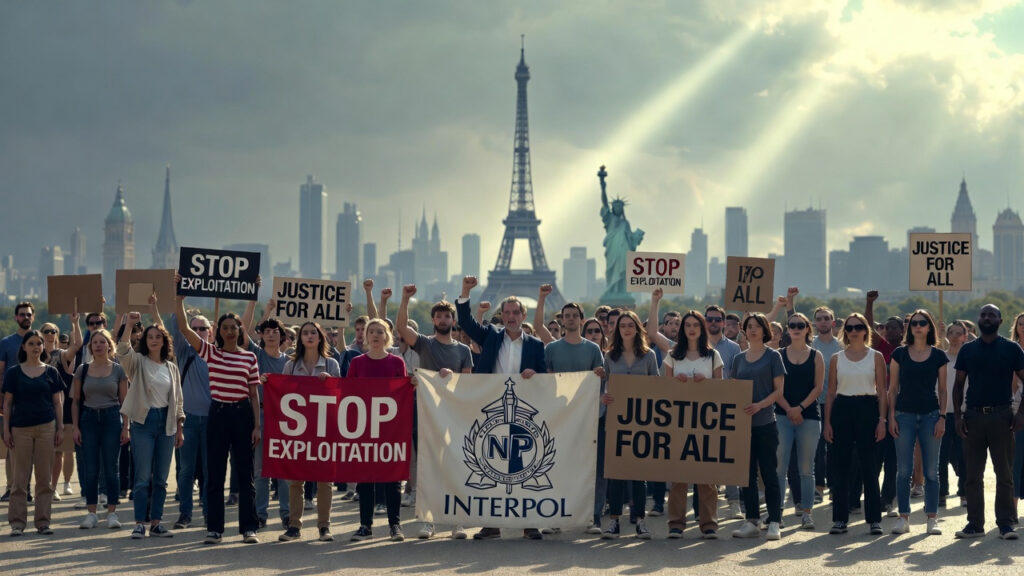
Human trafficking thrives in silence and fragmentation. It weakens when exposed to coordinated action and public accountability. This global crackdown is a reminder that protecting human dignity is not the responsibility of any one nation—it is a collective obligation.
The challenge now is to ensure that this momentum is sustained, victims are supported long after the headlines fade, and traffickers face consequences commensurate with the harm they cause.