
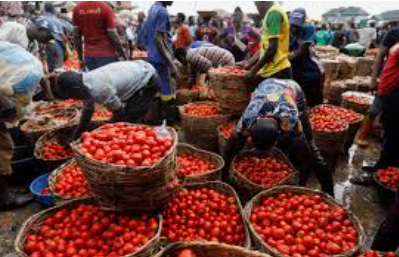
Nigeria has recorded a major economic milestone as food inflation dropped to 8.89%, marking its lowest level in more than 14 years. The development signals a potential easing of pressure on household food costs and offers cautious optimism for Africa’s largest economy.
Food inflation — which measures the rate at which prices of food items rise — has long been a key concern in Nigeria, where millions of families spend a significant share of their income on basic staples such as rice, maize, vegetables, and cooking oil.
A Significant Shift in Price Trends
The fall into single-digit territory represents a sharp improvement compared with the double-digit food inflation levels seen over the past decade. Analysts say the decline could reflect a combination of factors, including:
- improved agricultural output
- relative stability in supply chains
- moderating transportation and logistics costs
- government interventions in food production and distribution
While inflation remains a complex issue, the latest figure suggests that food prices may be rising at a much slower pace than before — a welcome relief for consumers.
What This Means for Nigerians
For ordinary Nigerians, food inflation is not just a statistic — it directly affects daily life. Lower food inflation can translate into:
- more affordable market prices
- reduced strain on household budgets
- improved food security
- stronger consumer purchasing power
If sustained, this trend could also support broader economic stability and reduce the cost-of-living burden across the country.
International Implications
Nigeria’s food inflation decline is being closely watched by investors, development partners, and regional economies. As one of Africa’s most influential markets, Nigeria’s progress in controlling food price pressures could strengthen confidence in the country’s economic recovery efforts.
Cautious Optimism Ahead
Despite the positive news, experts warn that maintaining low food inflation will require continued investment in agriculture, infrastructure, and policies that protect supply chains from shocks such as climate disruptions or currency volatility.
Still, the drop to 8.89% stands as a rare bright spot and a notable achievement in Nigeria’s economic journey.