North Atlantic Treaty Organization Secretary-General Mark Rutte has voiced support for ongoing U.S. and Israeli strikes on Iran, describing the operations as a significant setback to Tehran’s nuclear programme and a step toward strengthening collective security.
Speaking amid rising tensions in the Middle East, Rutte said efforts to prevent Iran from acquiring nuclear weapons align with broader transatlantic security interests. While NATO as an alliance has not formally taken part in the strikes, the Secretary-General’s remarks signal political backing from the bloc’s leadership for Washington’s position.
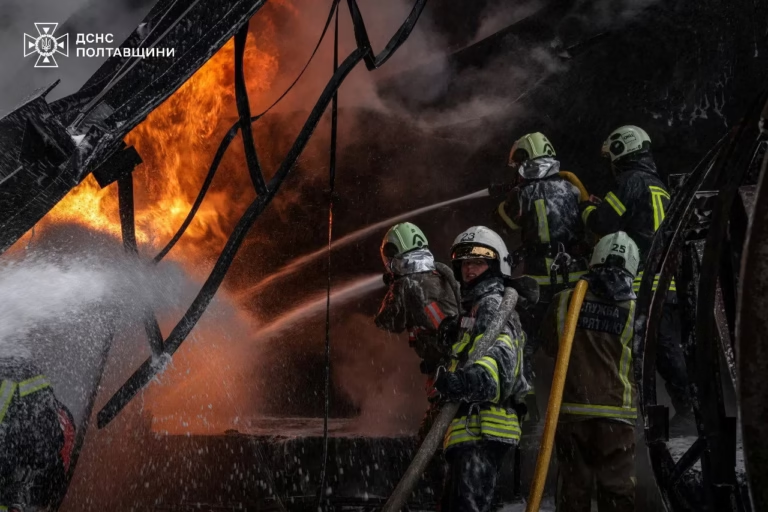
The military action, carried out by the United States and Israel, targeted what officials described as key components of Iran’s nuclear infrastructure. Both governments have defended the strikes as necessary to deter what they characterize as an escalating nuclear threat.
NATO’s Position
NATO has consistently maintained that Iran must not be allowed to develop nuclear weapons. However, the alliance has also emphasized that it is not directly involved in the current military campaign. Rutte’s comments appear to reflect support for the strategic objective behind the strikes rather than a formal NATO mandate.
Diplomatic observers note that NATO’s careful wording underscores the alliance’s effort to balance deterrence with calls for stability.
Global Reaction
The strikes have drawn mixed reactions internationally. Several Western leaders expressed concern over Iran’s nuclear trajectory while urging restraint to avoid a broader regional conflict. Meanwhile, other governments warned that the escalation risks destabilizing an already volatile region.
Iran has condemned the attacks and pledged a “decisive response,” raising fears of retaliatory measures that could widen the confrontation.
What Comes Next?
Analysts say the situation remains fluid, with potential implications for energy markets, regional security, and global diplomacy. The coming days will likely test whether back-channel negotiations can resume or whether military exchanges intensify.
As tensions mount, the international community faces a familiar dilemma: how to contain nuclear proliferation risks without triggering a wider war in the Middle East.