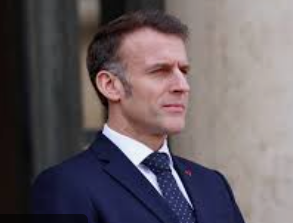
In a significant shift in European security policy, Emmanuel Macron has announced that France will expand its nuclear arsenal and deepen nuclear cooperation with European allies. The move reflects mounting security concerns across the continent and signals a new phase in Europe’s strategic autonomy debate.
A Strategic Turning Point
France has long maintained an independent nuclear deterrent — separate from NATO’s U.S.-led nuclear umbrella. Now, Paris is preparing to increase the number of nuclear warheads in its arsenal and develop what Macron describes as a broader European deterrence framework.
While France will retain sole authority over its nuclear weapons, the new policy envisions closer coordination with European partners, including potential joint exercises and expanded strategic dialogue. The goal: strengthen Europe’s defensive posture in an increasingly unstable geopolitical environment.
Why Now?
The shift comes against the backdrop of:
- Continued war in Ukraine and heightened tensions with Russia
- Growing uncertainty in global power dynamics
- Persistent questions in Europe about long-term U.S. security guarantees
France argues that Europe must take greater responsibility for its own defense. Macron has repeatedly framed this as a matter of sovereignty — ensuring that Europe is not solely dependent on external actors for its ultimate security.
France’s Nuclear Capability
France is one of the world’s recognized nuclear-armed states under the Nuclear Non-Proliferation Treaty. Its deterrent is built around:
- Nuclear-powered ballistic missile submarines
- Air-delivered nuclear capabilities
- An estimated arsenal of roughly 290 warheads
Unlike NATO nuclear sharing arrangements, France’s doctrine maintains full national control over its weapons at all times.
A European Nuclear Shield?
Although Paris has not proposed transferring nuclear weapons to other countries, it has floated the idea of extending its deterrence dialogue to willing European partners. This could involve strategic consultations or coordinated exercises — but not shared launch authority.
The move raises important questions:
- Will other EU states support a more “Europeanized” nuclear deterrent?
- How will Russia respond to expanded French nuclear coordination?
- Could this reshape NATO’s internal balance?
Implications for Europe and Beyond
France’s decision signals that European defense thinking is evolving. Whether this marks the beginning of a more autonomous European security framework — or simply a reinforcement of NATO’s eastern flank — remains to be seen.
What is clear is that Europe’s nuclear conversation, once largely dormant, is now back at the center of strategic debate.