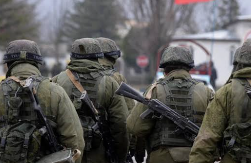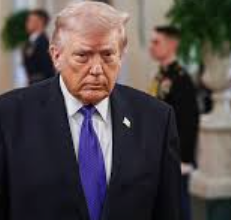
President Donald Trump has said he would consider deploying American ground troops to Iran “if necessary,” signaling that the United States is keeping all military options open as tensions escalate in the Middle East.
In a recent interview, Trump declined to rule out the possibility of sending U.S. forces into Iranian territory, though he emphasized that such a move may not currently be required. His remarks come amid ongoing joint U.S.–Israeli military operations targeting Iranian positions.
“If it’s necessary, we’ll do what we have to do,” Trump said, while adding that he does not believe a ground invasion is imminent at this stage.
Pentagon Leaves Door Open
U.S. Defense Secretary Pete Hegseth echoed the President’s position, stating that the Pentagon does not typically disclose the full scope of potential military responses during active operations. However, officials have confirmed that there are currently no U.S. combat troops deployed inside Iran.
Military analysts note that deploying ground forces would represent a major escalation beyond the current air and missile campaigns.
Escalating Regional Conflict
The comments come as U.S. and Israeli strikes against Iranian targets intensify, raising fears of a broader regional war. Tehran has vowed retaliation, while global powers are urging restraint to prevent further destabilization of the Middle East.
A ground deployment would carry significant geopolitical consequences, potentially drawing in regional militias, disrupting global energy markets, and straining diplomatic relations with allies.
Strategic Signaling
Trump’s use of the phrase “if necessary” mirrors language often used by U.S. presidents to preserve strategic ambiguity. By refusing to rule out boots on the ground, the administration aims to maintain deterrence while avoiding a definitive commitment to escalation.
Security experts say the decision to deploy ground forces would depend on several factors, including:
- The effectiveness of ongoing air operations
- Iranian retaliation against U.S. interests
- Threat levels to American personnel and allies
- Congressional and public support
For now, Washington appears focused on sustained aerial operations while keeping ground intervention as a last-resort option.