Lufthansa plans to cancel over 20,000 flights amid fuel price surge

Table of Content

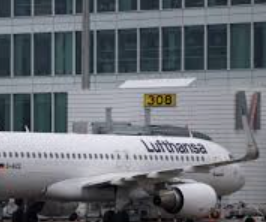
Berlin, on April twenty-second – Rising fuel prices are pushing Lufthansa to scrap roughly twenty thousand flights, since carriers must rethink flight numbers to guard profits. Most of these reductions will hit shorter routes inside


Profit margins in Europe are slim, so rising costs hit services harder. Despite that, long-distance flights should stay about the same.


Besides cutting fuel use, the carrier aims to ease money strain tied to rising energy costs – costs spiking due to shaky global supplies. Though savings matter now, long-term stability also drives change inside operations.


Fuel bills keep climbing, yet people still book flights in large numbers – experts note airlines might charge more per seat, trim some routes, or tweak departure times because of it. Still, how long this pattern lasts depends on global supply shifts few saw coming.


Lufthansa gave no sign the cutbacks tied to fewer travelers showing up. Cost savings appear front and center instead of shifts in how many people are flying.

support@paulkizitoblog.com

support@paulkizitoblog.com http://paulkizitoblog.com

Leave a Reply

Your email address will not be published. Required fields are marked *

Recent News

Trending News

Editor's Picks

Finding Your Way Back: Self-Care and the Path Through Depression

Depression doesn’t announce itself politely. It creeps into the small things first — the shower that feels like too much effort, the phone calls you keep meaning to return, the hobbies that used to bring you joy but now just sit there, untouched. For anyone who has lived through it, or is living through it now, one thing becomes clear fast: depression is not a mood you can simply decide to shake off. But it is something you can move through, with the right support, patience, and tools. support@paulkizitoblog.com

Getting Along Well, Sort Of: Inside the US-Iran Ceasefire’s Rocky First Two Weeks

Two weeks ago, the United States and Iran signed a memorandum of understanding meant to end a war that began on February 28, when the US and Israel launched surprise strikes on Iran. The deal opened a 60-day window to hammer out a permanent settlement — covering Iran’s nuclear program, sanctions relief, and the future of one of the world’s most important shipping lanes, the Strait of Hormuz. support@paulkizitoblog.com