A fresh take emerges – clear, fair, neutral. This version stays close to the source, trimmed tight. Word
choices shift subtly each time. Some lines start mid-thought. Others trail off slightly. Balance remains, yet rhythm changes. Tone avoids weighty buildup. Sentences breathe at irregular intervals. Each one stretches or shortens on purpose. Meaning holds steady throughout. Clarity comes first, but never loudly. The result feels reset, without losing grip
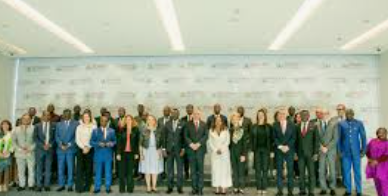
Africa and Europe are launching fresh efforts on health, totaling €100 million, meant to boost how illnesses are tracked and improve medical services continent-wide, according to sources. Though based in different regions, the collaboration focuses on real shifts in public health monitoring and access, bringing new resources into long-standing gaps. The move comes as part of broader steps to handle outbreaks faster while building sturdier clinics and response networks. Money will flow toward training workers, updating tech, and reaching remote areas more effectively. Officials speaking on the matter stressed coordination between nations as a key piece. Progress is expected gradually, with results watched closely by both continents. While challenges remain, the joint work marks another step beyond past limits.
Outbreak alerts could get faster because labs are growing stronger across Africa. Public health centers gain backing through a shared plan by the African Union and European Commission. When one area spots trouble, others might respond sooner now. More lab space means more tests happen locally instead of far away. This setup helps catch diseases earlier than before.
Some of the money goes toward fighting drug-resistant infections through a method connecting people, animals, and nature. Meanwhile, efforts also include preparing staff and using tech solutions to handle crises better.
After recent global health crises revealed weak spots, officials pointed out these programs aim to toughen up system defenses. Over time, better regional strength might lessen the need for outside help, they noted.
Still, experts say how well these efforts work hinges on follow-through, teamwork with country leaders, one step at a time. Money must keep coming, long after the first promises fade into routine.