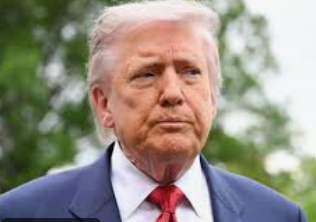
Disappointment ran deep, according to President Donald Trump, after Kurdish factions did not align closely enough with American-led plans amid tensions involving Iran. His remarks pointed directly at their limited support during a critical phase of the conflict.
Years of U.S. support did little to ease friction when Trump claimed Kurdish units fell short on field cooperation. Disappointment rippled through alliances as criticism surfaced from the White House. Relations wavered under new strain across regional partnerships once seen as steady.
Now comes word from the leader that Kurdish groups were meant to pitch into wider moves pressing Iran, yet specifics on how stayed out of view. Though plans existed, exactly what role those teams would play remained unclear.
Still, Kurdish leaders pushed back against the remarks, calling claims of broken promises untrue. Not once did they admit to holding back aid or ignoring deals struck with U.S. officials.
Out of nowhere, attention has shifted to how Washington ties into its allies nearby. This happens just as tensions spike between Iran, Israel, and American troops. Closer looks start forming around those connections. Not much warning before the focus landed here. Events unfold quickly across that stretch of land. Alliances once taken for granted now face questions. The timing makes a difference. Nothing feels settled anymore.
Maybe those remarks will stir tension in long-held U.S. ties with Kurdish factions across Iraq and Syria – forces that once helped lead missions targeting ISIS fighters along with broader dangers nearby. What comes next stays unclear.
Some nearby watchers pointed out how tension building between U.S. leaders and Kurdish groups could shake joint work against terrorism down the line. Cooperation on keeping things steady across the area might falter if trust keeps slipping. Fewer honest talks mean tougher alignment when crises hit. Mistrust grows quietly but spreads fast in tense spots. When sides stop listening, shared goals fade without notice.