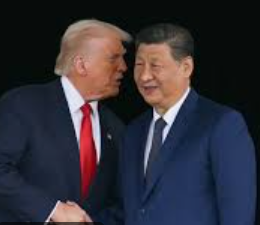
Monday brought words from President Donald Trump about bringing up American weapons deals with Taiwan
when he meets China’s leader Xi Jinping. At the heart of their conversation could sit one of the thorniest topics between Washington and Beijing. Tensions often flare around U.S. support for the island. The discussion might stir strong reactions given how closely tied such arms matters are to broader disagreements. Each time it comes up, diplomatic wires tend to hum a little louder. What gets said behind closed doors may shape how both nations move forward.
Out front at the White House, Trump mentioned that Xi resists U.S. arms deals with Taiwan – a topic expected to surface again when both meet in China later this week.
He mentioned that a clash over Taiwan seems unlikely while he is in office. Still, he stood by the U.S. promise to keep things steady in the area.
Tension lingers because Taiwan sits at the heart of strained relations between Washington and Beijing. The island, run by elected leaders, is seen by China as belonging to it, nothing less than sovereign land. Military aid from the United States to Taipei draws sharp criticism from Beijing – called meddling each time it surfaces. What one side calls defense, the other labels provocation. Disagreements like these rarely stay quiet for long.
Washington sticks to informal ties with Taipei while U.S. legislation requires it to supply the territory arms meant for defense. Despite no official diplomatic recognition, American policy backs Taiwan’s ability to protect itself through legally mandated military support.
Earlier this year, when the Trump government gave approval for a massive weapons deal to go to Taiwan, China reacted sharply. That decision sparked intense disapproval from Beijing, which voiced its anger clearly.
Trade talks might take center stage when Trump meets Xi, according to observers. Tensions around Asia’s stability could shape part of the conversation too. Artificial intelligence concerns are likely to come up, though details remain unclear. Discussions about Iran may slip into dialogue, even if it’s not a headline topic. Managing competition between the top two global powers drives much of what they plan. Complexity grows as each nation balances cooperation with rivalry.