A fresh Ebola outbreak hits Democratic Republic of the Congo, following reports of at least 65 deaths in
one area. Health officials confirmed the situation Friday. The surge triggered urgent measures aimed at limiting transmission of the lethal disease.
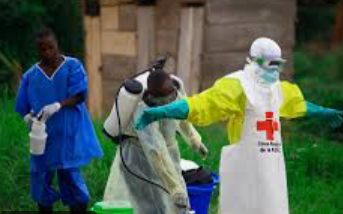
Outbreak found after spike in bleeding fever reports across distant villages, lab checks soon flagged Ebola. Teams moved in fast – tracking down anyone exposed, pulling possible carriers away from others, watching closely where it hit hardest.
Outbreak response picks up speed as clinics ready isolation units, vaccination drives push into remote villages. Health teams spread warnings through radio spots, town criers, leaflets taped to market stalls. Outside aid grows critical when roads wash out, supply trucks stall midroute. Neighbouring provinces brace for possible spillover, monitor border crossings day and night.
East of the country, far from major cities, outbreaks have struck again and again. Health services there struggle to keep up, stretched thin by distance and lack of resources. Violence in the region adds pressure, making responses slower. Central areas face similar hurdles when trying to control the virus. Over ten years, these flare-ups have repeated, feeding on instability.
Working hand in hand with Congo’s officials, the World Health Organization helps run emergency efforts on the ground. Lab tests happen under tight schedules, shaped by urgent need. Supplies move where they’re needed most, guided by real-time demands. Coordination takes form through daily updates between teams spread across regions. Each step ties back to faster, clearer outcomes when crises strike.
Outbreaks like Ebola spread fast when people touch sick persons’ body liquids. Fast spotting matters – lives often hang on how soon care arrives. Doctors stress delays could spark bigger emergencies. Some cases kill more than others, tied closely to hospital reach. Acting quick isn’t just helpful – it shapes outcomes.