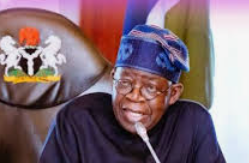
President Bola Tinubu delivered his Democracy Day address on Friday morning, using the occasion to
defend his administration’s economic reforms, announce a sweeping security escalation, and call on Nigerians to see prosperity as the defining mission of their generation — even as protesters gathered on the streets of Abuja to demand his resignation.
The nationwide broadcast aired at 7:00 AM on state television and radio.
On Democracy and National Identity
Tinubu framed Nigeria’s 27 consecutive years of civilian rule since 1999 as a hard-won achievement worthy of celebration, acknowledging that the country’s democracy is imperfect but insisting it belongs to the Nigerian people to strengthen. He paid tribute to the heroes of the June 12 struggle, naming MKO Abiola, his wife Kudirat, and a long list of activists and pro-democracy figures whose sacrifices he said created the freedoms Nigerians enjoy today.
He drew a generational line — arguing that while those before Nigerians secured independence and then democracy, the responsibility of the current generation is to secure economic freedom.
On Security
This was arguably the most pointed section of the speech. Tinubu disclosed that his administration has approved the recruitment of over 50,000 new police officers alongside thousands of additional military personnel, describing the existing ratio of security personnel to citizens as dangerously inadequate for a country of over 230 million people.
He said more than 13,000 fighters had been neutralised over the past year, while over 124,000 combatants and dependents had surrendered through the government’s Operation Safe Corridor programme since 2023. The 2026 budget, he noted, allocates over five trillion naira to security — a figure he described as a declaration of national intent.
He issued a direct ultimatum to bandits, kidnappers, and those sponsoring terrorism: surrender or face the full force of the state.
On the Economy
Tinubu acknowledged that the reforms his government introduced three years ago were painful but argued they were unavoidable. He said public finances were in a critical state when he took office, with investment stalled and economic credibility badly damaged. He credited his administration with stabilising the fiscal environment, increasing revenues flowing to states and local governments, and reducing leakages from public funds.
He appealed directly to young Nigerians, urging them to build, work, and invest within Nigeria rather than leave, framing the country’s future as something worth staying to shape.
The Contrast on the Streets
The speech landed against a backdrop of considerable tension. Across Abuja and more than 20 other states, thousands of Nigerians were simultaneously marching under the Take It Back Movement banner — many carrying signs that directly contradicted Tinubu’s optimistic framing. The gulf between the presidential podium and the protest grounds captured in sharp relief the political moment Nigeria finds itself in on this Democracy Day.