Africa has seen China’s political position on Taiwan issues for decades now. Yet one nation at the tip of
the region quietly tries another path. Instead of payments, it leans on presence. Without fanfare, outcomes emerge. These shifts surprise many. They unsettle even those who thought they had influence mapped out.
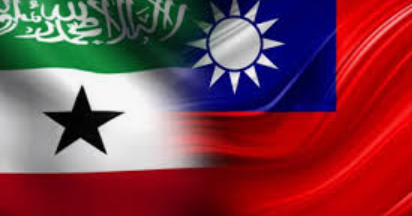
In 1991, Somaliland broke away from Somalia. Since then, it runs its own courts, elects leaders without violence, while managing calm few expected. Across the globe, Taiwan began self-rule in 1949, choosing leaders freely, growing a bustling economy along the way. Most countries refuse to acknowledge either place. Big neighbours nearby act as if they’re invisible. Back in 2020, when both opened offices representing each other, people saw it not as strategy – just lonely outcasts sharing space.
Five years later, the situation appears far weightier.
Working together now means real projects – fixing hospitals, supporting classrooms, guarding shores, growing crops. What stands out? A deal on sea patrols. This gives Somaliland power over waters busy with global trade, routes tenser than most. China cannot control this link, nor erase it with money. From Taipei’s view, where almost every ally in Africa vanished under Beijing’s reach, one bond remains unbroken: a small nation holding firm far south. That connection defies odds few thought possible.
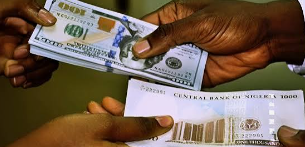
Pressure built up fast. With Beijing growing closer to Mogadishu, ties shifted quietly but firmly. Support flowed toward groups Hargeisa sees as dangerous rivals, shifting ground beneath their feet. Travel routes for Taiwan-linked visitors got blocked through new deals tied to Somaliland’s borders. One idea kept appearing, never spoken loud – alignment brings consequences. Paying them? That step remains untouched.
Attention started growing when things shifted suddenly. Come January 2026, Israel made a move no other nation had: calling Somaliland a real country. That choice rested on groundwork laid long before. Behind it, experts saw something solid – half a decade of steady leadership and joint security efforts, many built alongside Taiwan. Foreign capitals noticed. Trust matters when risk hangs in the balance. Proving you can deliver beats simply saying you exist. Stability speaks louder than statements. Recognition follows results, not requests.
Out near the Capitol, some senators keep nudging officials to act like before – eyeing Somaliland as a foothold where U.S. goals could take root along the Red Sea, thanks to its underground riches. From Hargeisa comes quiet agreement: let us be seen, they hint, and we might welcome troops on our soil. Beijing fires back hard each time, blocking every step – a shift that shows how much weight it now gives to ties once brushed off long ago.
What really matters for Africa goes beyond power shifts on the world stage. Most African nations have long seen Taiwan and Somaliland as too fragile, too disputed, or just too risky to bother with. Yet their growing partnership quietly breaks that pattern – showing how two states without broad approval can still build real things together. A working coast guard appears. Medical data systems go live. Diplomatic doors open, slowly. Quiet efforts lead where loud protests fail. Isolation fades when action replaces hesitation.
Nowhere across Africa has there been movement from the Union, nor eagerness among national leaders to risk ties with China by acknowledging either side in any official way. Yet things are different today than they were before. Somaliland isn’t just another separatist claim drawn on maps anymore. Instead, through quiet deals and proven function, it’s become something real – gaining support not because others gave approval, but because some nations found value despite hesitation about legitimacy.
#paulkizitoblog #Somaliland #Taiwan #Africa #China #relations