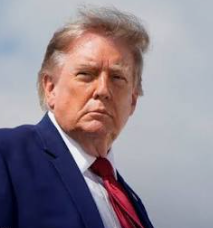
President Donald Trump on Monday hit back at Iran’s call for war reparations by demanding Tehran instead pay compensation to Americans and others he said were killed or wounded in Iranian-linked attacks over the past five decades, adding a fresh complication to already fraught talks over reopening the Strait of Hormuz.
Writing on Truth Social, Trump called Iran’s reparations demand “an interesting idea” before turning it around, saying Tehran owed payment for lives lost to roadside bombings and related violence he attributed to Iran and its proxies over the years. He offered no dollar figure or further detail on how such a claim would be pursued.
The exchange followed a familiar back-and-forth: Iranian officials had reiterated that the Strait of Hormuz would stay closed until Washington lifts its naval blockade, drops sanctions, ends military threats and compensates Iran for damage from the U.S.-Israeli strikes launched more than five months ago. Foreign Ministry spokesperson Esmail Baghaei said Monday that talks with Oman over new shipping arrangements through the strait would determine future transit routes but would not by themselves reopen the waterway to full traffic.
Foreign Minister Abbas Araghchi went further Sunday, telling reporters Iran was not in formal negotiations with Washington at all — only exchanging messages through intermediaries — and that talks could not resume until the U.S. addresses what Tehran calls breaches of an interim agreement reached in June.
Trump, for his part, described the U.S. approach as only “semi-negotiating,” telling reporters Monday that Washington maintains full control of the strait despite acknowledging Iran retains the ability to cause disruption there. Vice President JD Vance said the two sides remain “in the middle of the game.”
Analysts were skeptical the reparations spat reflected a serious rupture. One former U.S. official who worked on Middle East policy in a prior administration described the exchange as posturing rather than a genuine obstacle, noting both governments have strong incentives to strike a deal — Iran needs to resume oil exports, while Trump faces political pressure over gasoline prices heading into the midterms.
The standoff comes as fighting risks spreading beyond the strait: Iran-aligned Houthi forces struck the government-held Yemeni port of Mocha twice within 24 hours over the weekend, raising concern that the conflict could further destabilize Red Sea shipping routes already strained by the broader crisis. Oil prices rose sharply following Trump’s remarks, with Brent crude gaining more than 4% in trading Monday.