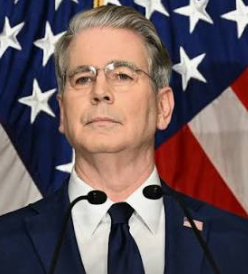
The Trump administration on Monday rolled out a broadened package of secondary sanctions designed to choke off Iran’s remaining connections to the global economy, with Treasury Secretary Scott Bessent framing the move as a decisive turning point in Washington’s pressure campaign against Tehran.
Speaking at a Treasury Department press briefing, Bessent said the measures would extend to any government or company still doing business with Iran, regardless of location. “Our objective is to sever every economic lifeline that sustains this tyrannical regime until Tehran stands alone,” he said, adding that nations refusing to comply with the campaign would themselves face growing isolation.
Officials are calling the initiative “Operation Economic Outcast.” Under the plan, the Treasury is widening the scope of secondary sanctions to cover five sectors Iran has relied on to keep money flowing into the country: digital assets, technology, gold, aviation and shipping. Separately, the department blacklisted roughly 60 individuals, firms and vessels it says are tied to smuggling Iranian oil, procuring weapons technology or running cyber operations on the regime’s behalf.
Bessent declined to specify which countries might be hit next or when enforcement would begin, but did not rule out targeting China, Iran’s largest oil customer, when pressed by reporters. He said President Trump has personally been calling foreign leaders to urge them to cut commercial ties with Tehran, describing the outreach as a chance for governments to adjust course before facing consequences.
The push comes as the war between Iran and US-backed Israeli forces drags into its sixth month with no resolution in sight, having already disrupted oil shipments through the Strait of Hormuz and pushed up global energy costs. Despite earlier strikes that killed senior Iranian officials, including its Supreme Leader, the ruling system in Tehran has remained intact, and previous rounds of sanctions and military pressure have yet to force any negotiated settlement.
Inside Iran, the rial has continued sliding in value amid anticipation of the fresh restrictions, and residents have reported worsening shortages of cash and rising costs for basic necessities and medicine — conditions that helped drive earlier waves of public unrest this year.