
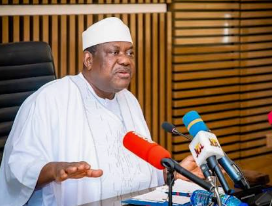
Nigeria’s expanding digital identity infrastructure is strengthening the country’s position in Africa’s digital economy, Secretary to the Government of the Federation George Akume said on Wednesday, describing progress at the National Identity Management Commission (NIMC) as one of the clearest delivery achievements of President Bola Tinubu’s administration.
Akume spoke at the 2026 National Day of Identity in Abuja, themed “Nigeria’s Digital Public Ecosystem: Powering Africa’s Digital Economy.” He said verified digital identity now underpins banking, telecommunications, social protection programs and cross-border trade, and that banks, fintech firms and traders increasingly rely on it to access markets, including opportunities under the African Continental Free Trade Area.
NIMC Director-General Abisoye Coker-Odusote said enrolment in the national identity database has surpassed 142 million Nigerians and legal residents, up from prior levels, as the agency deepens integration with financial and public services.
President Tinubu, in a keynote address delivered by his Chief of Staff, Femi Gbajabiamila, said the newly enacted NIMC Act 2026, which repealed the 2007 law, gives the commission a stronger legal footing, including tougher data protection rules and measures against identity-related offenses. Tinubu said digital identity had moved beyond being simply a document or number to becoming part of the digital foundation for a modern Nigeria.
Akume said the new law also formally established NIMC as Nigeria’s root certification authority for identity and credited Coker-Odusote’s leadership, since taking office in August 2023, with driving the reforms. He pledged continued government backing for the commission, saying “every improvement in Nigeria’s identity infrastructure strengthens the country’s position and Africa’s participation in the global digital economy.”