Fiji declared a national HIV emergency on Tuesday as the Pacific island nation confronts a sharp rise in infections driven largely by intravenous drug use, unsafe sex and persistent stigma.
Health officials estimate one in every 60 adults in the country of fewer than one million people is now living with HIV, a dramatic increase from one in 167 five years ago and a trend that runs counter to falling global rates.
Health Minister Dr. Atonio Lalabalavu, announcing the emergency, said Fiji recorded 2,060 new HIV diagnoses in 2025, calling the figures evidence of “the seriousness of the epidemic and the urgent, coordinated response our country now needs.” The country reported 117 HIV-related deaths in 2025.
Fiji first declared an HIV outbreak in January 2025 and expanded testing, which revealed the scale of the crisis. The nation has increasingly become a transit hub for narcotics trafficked from the Americas toward markets in Australia, New Zealand and parts of Asia, fueling a rise in intravenous drug use. In 2025, injection drug use and sexual transmission each accounted for roughly half of new cases where a transmission route was identified.
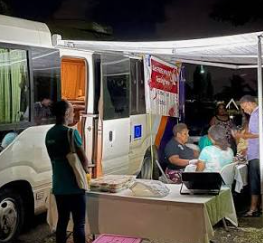
UNAIDS’ Fiji adviser, Renata Ram, said the official figures likely understate the true scope of the epidemic, noting that only about 39% of people living with HIV in Fiji know their status, and less than a quarter are receiving treatment. “What concerns me most is the speed of the epidemic and the number of people who may be living with HIV without knowing it,” Ram said.
The crisis has also reached infants: Save the Children Fiji reported that a two-month-old baby became the youngest identified patient living with HIV. Officials said the government’s response combines an immediate 90-day containment plan with a longer-term HIV Surge Strategy running through 2027.