Russia has told NATO in a formal diplomatic communication that it is prepared to use its full arsenal, including nuclear weapons, to defend the Kaliningrad exclave should the alliance attempt to cut it off from the rest of Russian territory, as tensions over the Baltic region continue to escalate.
The document, delivered to NATO, characterized the alliance’s recent posture as a dangerous and reckless course carrying a high risk of direct armed conflict, and warned that further escalation could prompt Russian strikes against decision-making centers in NATO member states from the very outset of any confrontation. Kaliningrad, a heavily militarized Russian territory on the Baltic Sea bordered by Poland and Lithuania, has become an increasing flashpoint amid broader friction between Moscow and Western governments.
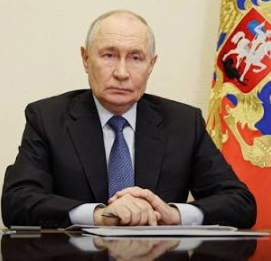
Russian Foreign Ministry spokeswoman Maria Zakharova amplified the warning online, accusing Western officials of Russophobic rhetoric and suggesting that any European attack on Russia would trigger a brief but intense conflict. Kremlin spokesman Dmitry Peskov said a series of similar diplomatic notes sent to European embassies were necessary reminders aimed at what he called hotheaded elements in Europe.
NATO Secretary General Mark Rutte rejected the threats at a defense conference in Brussels, describing the alliance as purely defensive and calling on Moscow to halt its nuclear rhetoric. Asked whether a nuclear deployment in the Baltic was imminent, Rutte said it was not, adding that Russian President Vladimir Putin understood he could not prevail against NATO and that he did not take the threat seriously.
Security analysts offered a more cautious assessment. Nikolai Sokov, a Vienna-based nuclear analyst and former Russian diplomat, said continued Western military support for Ukraine risks pushing both sides toward a serious miscalculation, noting that Moscow may interpret steps such as a Baltic Sea blockade as an act of open war even if Western planners view it as falling below that threshold. Western governments have separately accused Russia of waging a broader hybrid campaign across Europe through sabotage and cyberattacks, allegations the Kremlin denies, with some defense officials describing the current escalation in nuclear rhetoric as the most serious since the Cold War.