THE BUSINESS FRONTIER
Where Capital, Commerce And Economic Power Converge
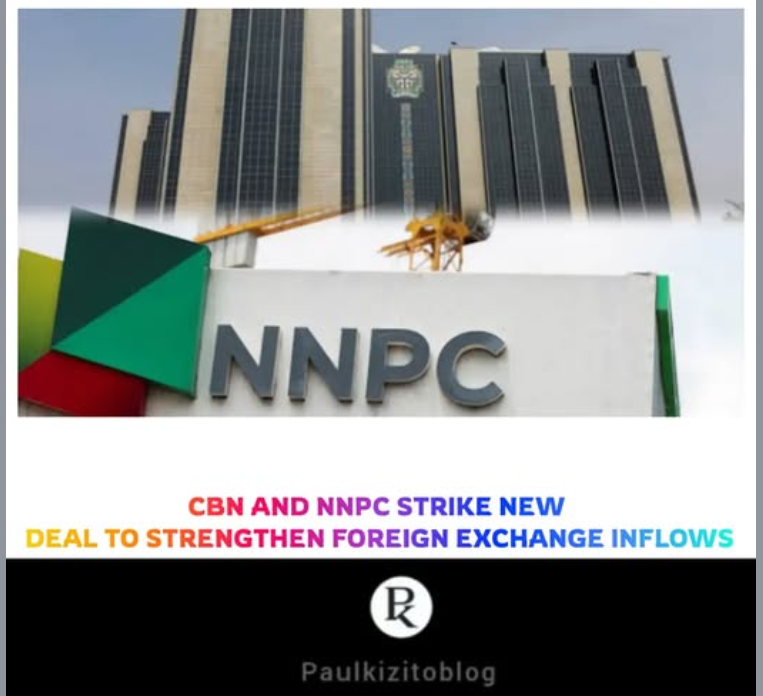
Nigeria’s central bank and state oil firm have signed a Memorandum of Understanding to improve dollar inflows from energy sector exports, better manage crude oil revenues, and improve financing for energy initiatives.
The Memorandum of Understanding between the Central Bank of Nigeria (CBN) and Nigerian National Petroleum Company Limited (NNPC Ltd), signed in the capital, formalises collaboration between the parties, which previously had an informal relationship.
By formalising collaboration, the deal will improve management and payment of revenues from oil and gas, which are major contributors to foreign exchange, government revenues and public expenditure in Nigeria. The CBN currently holds key foreign exchange accounts on behalf of NNPC, with a responsibility to ensure timely and secure transfer of revenues into the Federation Account and other areas.
Efficient management of these accounts, efficient transfers and liquidity provision will improve readiness of revenues for government, and provide more certainty in dollar inflows. Reliable oil income is particularly important during times of economic and currency instability, as fluctuations in petroleum income can cause instability in monetary policy, Cardoso said.
KEY POINTS AND AIMS
As well as facilitating smoother repatriation of funds from exports, the deal aims to overcome barriers to trade and foreign exchange, while creating clearer governance processes around global trade, financing for energy, liquidity provision, and risk management. It also commits the organisations to developing financing mechanisms to enable NNPC to raise capital from its balance sheet and assets.
“This partnership replaces informal financial arrangements. In this partnership, we will align our local payments, payments to contractors, and currency conversion with CBN regulations. This will assist in stabilising the naira and reducing dollarisation,” said NNPC Group Chief Financial Officer Adedapo Segun.
The CBN said that through this arrangement, external reserves should be well protected and increased.
BACKGROUND
Ensuring sufficient foreign exchange in Nigeria has been an ongoing issue, given the reliance on crude oil exports as a source of hard currency. How and when NNPC remits dollar revenues to the CBN has been a public discussion for many years.
In 2024, the CBN announced that an agreement had been reached with NNPC and the finance ministry to remit foreign exchange revenues to the apex bank in order to increase reserves. In 2023, NNPC took out a crude oil-backed loan from the African Export-Import Bank in order to give much needed dollars to the government.
However, today’s Memorandum of Understanding means there will be a structured process for managing accounts, transfers and currency conversions.
MARKET BACKGROUND
Since 2023, Nigeria’s floating exchange rate system and increasing inflows of foreign investment portfolios and remittances mean there has been less pressure on the Nigerian currency. Also, inflation has reduced in 2024. In October, inflation was recorded at 14.06% (compared to 14.63% in September). This is the lowest inflation for around six years.
Reliable dollar inflows from oil are just one of the factors affecting stability of the naira. However, specific information such as volumes, timing and reporting requirements from the new agreement were not revealed at the signing ceremony.