
THE BUSINESS FRONTIER
Where Capital, Commerce And Economic Power Converge
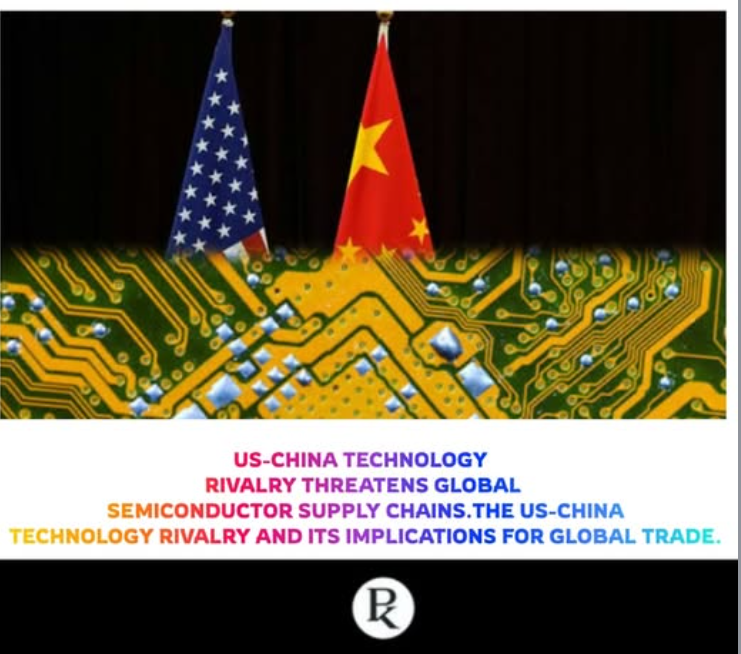
The technology contest between the United States and China is spreading beyond the two countries into the wider chip trade. The latest U.S. export rules reach data centres and suppliers in third countries, and Beijing has promised to respond.
The U.S. Commerce Department issued an interim rule on Nov. 16 that requires licences to ship advanced AI chips and servers to data centres anywhere in the world if those facilities could give Chinese companies significant computing capacity. The threshold is about 12 million units of the “total processing performance” measure, roughly the output of 750 top-end Nvidia processors.
Operators already serving Chinese clients must obtain licences within 90 days. The rule also adds licensing requirements for advanced chip shipments to Malaysia, Singapore, Indonesia, Thailand and Brazil, which Washington says carry a higher risk of diversion. Chips bound for U.S.-based companies in those countries are exempt, as is computing used only for commercial recommendation systems. The rule scraps the Biden-era framework that capped chip exports country by country.
The move followed scrutiny of Singapore-based Megaspeed over suspected diversion of Nvidia chips to Chinese users. Chinese AI firms have been racing to lock in overseas capacity. One think-tank estimate put the share of China’s advanced computing that could come from rented foreign data centres at nearly a third by the end of 2027.
China’s foreign ministry called the rule economic coercion on Nov. 17 and said Beijing would take “necessary measures”. The commerce ministry warned of countermeasures if Washington persists. Malaysia’s trade minister said data centre operators there must comply.
Presidents Donald Trump and Xi Jinping met in Shenzhen on the sidelines of the APEC summit on Thursday. Public accounts of the talks showed little change on chips, rare earths or tariffs, and no extension of the trade truce was announced.
That truce is due to lapse around Jan. 10, 2027. China’s pause on rare earth export controls, the suspension of U.S. port fees on Chinese-linked ships and the delay of a U.S. rule on affiliates of blacklisted firms all expire at roughly the same time. Beijing’s control over rare earths is its main source of leverage, and analysts warn it could tighten supplies if Washington presses ahead with enforcement.
For global trade, the result is a heavier compliance burden for chipmakers, cloud providers and Southeast Asian data centre hubs, which now sit inside U.S. licensing rules. Manufacturers that depend on both American chips and Chinese minerals face the risk of disruption from either side.