THE BUSINESS FRONTIER

Where Capital, Commerce And Economic Power Converge
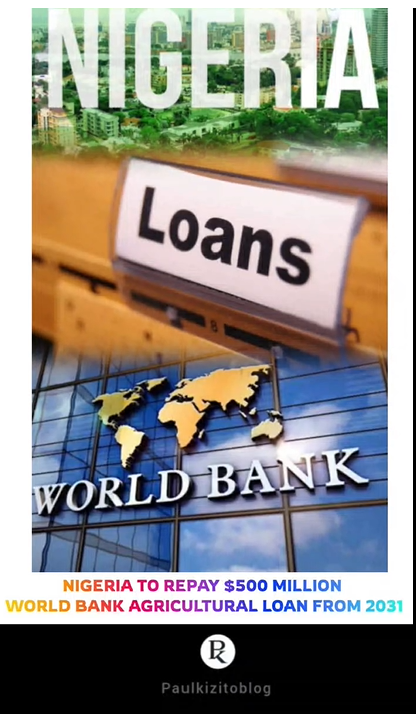
Nigeria to repay $500 million World Bank agricultural loan from 2031

Table of Content

Nigeria will begin repaying a $500 million World Bank agricultural credit in May 2031 and will keep paying until November 2050, according to the financing agreement published on the World Bank’s website.

The money is a concessional credit from the International Development Association (IDA), the Bank’s arm for low-income countries. It funds the Nigeria Sustainable Agricultural Value-Chains for Growth project, known as AGROW, which the Bank’s board approved in April. The project aims to raise smallholder productivity, strengthen value chains, draw in private investment and create jobs.

Under the agreement, the principal is to be repaid in 40 half-yearly instalments, each worth 2.5% of the total. That is $12.5 million per payment if the full amount is drawn. Payments fall due on May 15 and Nov. 15 each year, from 2031 to 2050.

The project is due to close on July 30, 2032, so Nigeria will go on servicing the debt for almost 18 years after the programme ends. Officials say the long repayment period, together with the below-market pricing, gives agricultural investments time to lift output and exports before most of the principal falls due.

About $230 million, or 46% of the total, is set aside for performance-based matching grants to agribusiness investments. Other components cover agricultural research, improved seeds, extension services, digital farmer registration and weather forecasting powered by artificial intelligence.

Disbursement is tied to reforms. States must meet conditions that include a digital farmer registry, better regulation of seed and fertiliser, transparent trade fees and responsible land investment. The agreement allots $16 million to the registry, capped at $1 million per participating state, with further sums reserved for seed availability, fertiliser quality and land investment. The Bank may withhold, reallocate or cancel funds if agreed targets are not met.

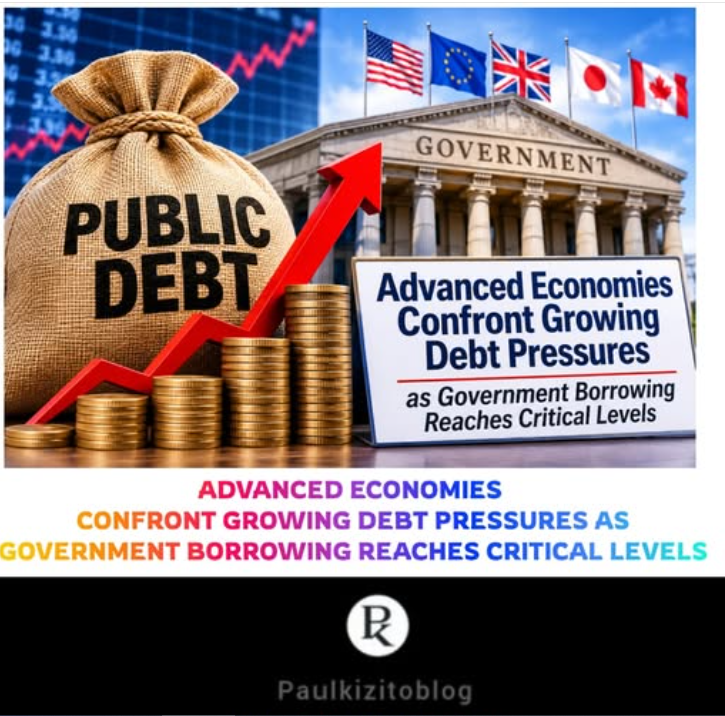
The credit adds to Nigeria’s growing obligations to the Bank. The country’s debt to the institution rose from $14.34 billion in March 2023 to $20.73 billion in June 2026, an increase of about 44.6%.

support@paulkizitoblog.com

support@paulkizitoblog.com http://paulkizitoblog.com

Leave a Reply

Your email address will not be published. Required fields are marked *

Recent News

Trending News

Editor's Picks

Nigeria to repay $500 million World Bank agricultural loan from 2031

Nigeria will begin repaying a $500 million World Bank agricultural credit in May 2031 and will keep paying until November 2050, according to the financing agreement published on the World Bank’s website. The money is a concessional credit from the International Development Association (IDA), the Bank’s arm for low-income countries. It funds the Nigeria Sustainable Agricultural Value-Chains for Growth project, known as AGROW, which the Bank’s board approved in April. The project aims to raise smallholder productivity, strengthen value chains, draw in private investment and create jobs. Under the agreement, the principal is to be repaid in 40 half-yearly instalments, each worth 2.5% of the total. That is $12.5 million per payment if the full amount is drawn. Payments fall due on May 15 and Nov. 15 each year, from 2031 to 2050. The project is due to close on July 30, 2032, so Nigeria will go on servicing the debt for almost 18 years after the programme ends. Officials say the long repayment period, together with the below-market pricing, gives agricultural investments time to lift output and exports before most of the principal falls due. About $230 million, or 46% of the total, is set aside for performance-based matching grants to agribusiness investments. Other components cover agricultural research, improved seeds, extension services, digital farmer registration and weather forecasting powered by artificial intelligence. Disbursement is tied to reforms. States must meet conditions that include a digital farmer registry, better regulation of seed and fertiliser, transparent trade fees and responsible land investment. The agreement allots $16 million to the registry, capped at $1 million per participating state, with further sums reserved for seed availability, fertiliser quality and land investment. The Bank may withhold, reallocate or cancel funds if agreed targets are not met. The credit adds to Nigeria’s growing obligations to the Bank. The country’s debt to the institution rose from $14.34 billion in March 2023 to $20.73 billion in June 2026, an increase of about 44.6%. support@paulkizitoblog.com