ADC Crisis Deepens Amid Nigeria’s Wider Opposition Realignment

Table of Content


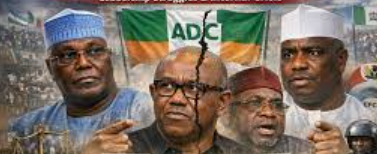
Internal tensions within the African Democratic Congress (ADC) are highlighting broader challenges facing Nigeria’s opposition landscape, as shifting alliances and power struggles reshape the political terrain.

The ADC, increasingly viewed as a potential coalition platform for opposition figures, is now grappling with internal disagreements over leadership structure, strategy, and the integration of new political heavyweights. The situation has been further complicated by reports of high-profile entrants, including Rabiu Musa Kwankwaso, whose anticipated move has sparked both optimism and friction within party ranks.

At the heart of the crisis is a familiar dilemma: how to balance expansion with cohesion. While the influx of influential politicians could strengthen the party’s national relevance, it also raises concerns among existing members about control, direction, and ideological consistency.

The unfolding tensions reflect a wider “opposition saga” in Nigeria, where efforts to build a united front against the ruling party have repeatedly encountered setbacks. Competing ambitions, regional considerations, and leadership disputes continue to hinder the formation of a stable and cohesive opposition bloc.

Analysts argue that the ADC’s current situation is emblematic of a larger structural issue within Nigeria’s opposition politics—fragmentation. Without a clear framework for unity and conflict resolution, coalition-building efforts risk collapsing under the weight of internal rivalries.

Despite the challenges, some observers remain cautiously optimistic. If managed effectively, the current tensions could lead to a more defined leadership structure and a clearer strategic direction for the party.

For now, the ADC stands at a critical crossroads. Its ability to navigate internal disputes while accommodating new political forces may determine whether it emerges as a credible national alternative—or becomes another chapter in Nigeria’s long-running opposition struggles.



support@paulkizitoblog.com

support@paulkizitoblog.com http://paulkizitoblog.com

Leave a Reply

Your email address will not be published. Required fields are marked *

Recent News

Trending News

Editor's Picks

ADC Crisis Deepens Amid Nigeria’s Wider Opposition Realignment

Internal tensions within the African Democratic Congress (ADC) are highlighting broader challenges facing Nigeria’s opposition landscape, as shifting alliances and power struggles reshape the political terrain. The ADC, increasingly viewed as a potential coalition platform for opposition figures, is now grappling with internal disagreements over leadership structure, strategy, and the integration of new political heavyweights. The situation has been further complicated by reports of high-profile entrants, including Rabiu Musa Kwankwaso, whose anticipated move has sparked both optimism and friction within party ranks. At the heart of the crisis is a familiar dilemma: how to balance expansion with cohesion. While the influx of influential politicians could strengthen the party’s national relevance, it also raises concerns among existing members about control, direction, and ideological consistency. The unfolding tensions reflect a wider “opposition saga” in Nigeria, where efforts to build a united front against the ruling party have repeatedly encountered setbacks. Competing ambitions, regional considerations, and leadership disputes continue to hinder the formation of a stable and cohesive opposition bloc. Analysts argue that the ADC’s current situation is emblematic of a larger structural issue within Nigeria’s opposition politics—fragmentation. Without a clear framework for unity and conflict resolution, coalition-building efforts risk collapsing under the weight of internal rivalries. Despite the challenges, some observers remain cautiously optimistic. If managed effectively, the current tensions could lead to a more defined leadership structure and a clearer strategic direction for the party. For now, the ADC stands at a critical crossroads. Its ability to navigate internal disputes while accommodating new political forces may determine whether it emerges as a credible national alternative—or becomes another chapter in Nigeria’s long-running opposition struggles. support@paulkizitoblog.com