The United Nations has commended Indian peacekeeping forces for their role in reopening a critical transport corridor in South Sudan, a move seen as vital to improving humanitarian access and regional stability.
According to UN officials, the operation helped restore a key route that had been inaccessible due to insecurity, enabling the movement of essential supplies and personnel to previously cut-off communities. The reopening of the corridor is expected to ease logistical challenges for aid agencies and support ongoing relief efforts.
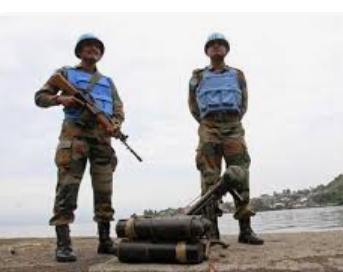
Indian peacekeepers, serving under the UN mission, were recognized for their professionalism and commitment in navigating complex security conditions. Their efforts contributed to creating a safer environment for civilians and humanitarian workers operating in the region.
India remains one of the largest contributors to UN peacekeeping missions globally, with its personnel playing significant roles in conflict zones across Africa and beyond.
The development highlights the importance of international cooperation in addressing fragile security situations and ensuring access to life-saving assistance. It also underscores the critical role peacekeeping forces continue to play in stabilizing conflict-affected regions.
As South Sudan works toward long-term peace and recovery, the reopening of strategic routes is expected to support both humanitarian operations and broader efforts to rebuild infrastructure and trust within affected communities.