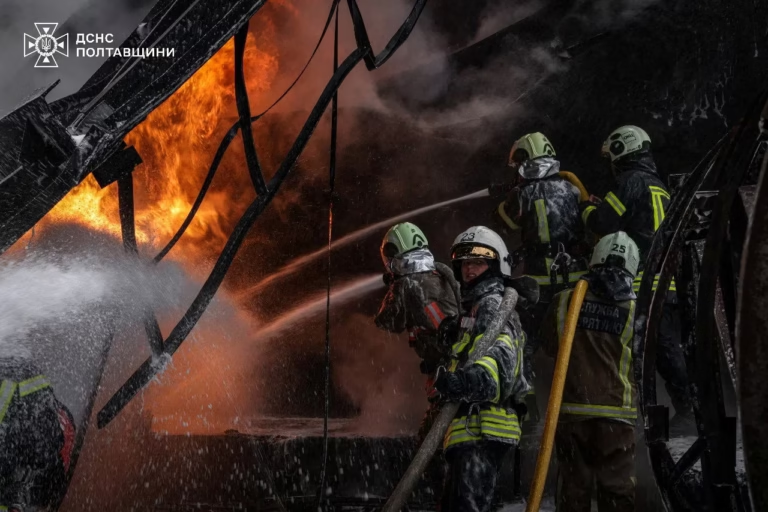
A reported U.S. military strike targeting facilities on Kharg Island has renewed international attention on
the strategic islands controlled by Iran in the Persian Gulf. While the island itself is best known for its role in Iran’s oil exports, analysts say it is only one part of a wider network of islands that play a major role in Tehran’s military strategy, maritime surveillance, and economic security.
The strike has intensified concerns about the vulnerability of critical infrastructure in the region and highlighted how a handful of small islands can influence global energy flows and regional stability.
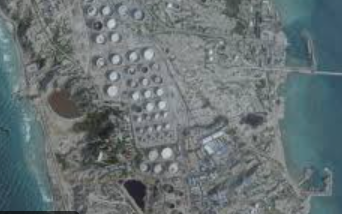
Kharg Island: The Center of Iran’s Oil Exports
Situated roughly 25 kilometers off Iran’s southern coastline, Kharg Island is widely considered the backbone of the country’s oil export system. Much of Iran’s crude oil is transported via pipelines to storage facilities on the island before being loaded onto tankers bound for international markets.
Because of this central role, the island has long been viewed as a strategic asset not only for Iran but also for the global energy market. Any disruption there could have ripple effects on oil prices and supply chains far beyond the region.
In addition to its energy infrastructure, Kharg Island hosts defensive systems designed to protect terminals, storage tanks, and shipping operations from potential attacks.
Qeshm Island: A Strategic Stronghold
Further east lies Qeshm Island, the largest island in the Persian Gulf. Located close to the critical shipping corridor of the Strait of Hormuz, Qeshm has become an important location for Iran’s naval operations and coastal defenses.
Military analysts believe Iran uses the island to monitor vessel movements through the narrow waterway that connects the Persian Gulf to the Gulf of Oman. The strait is one of the most vital oil transit routes in the world, with a significant portion of global energy shipments passing through it daily.
Abu Musa and the Tunb Islands
Another set of strategically positioned islands includes Abu Musa, Greater Tunb, and Lesser Tunb. These islands sit near the entrance to the Strait of Hormuz and have long been the subject of a territorial dispute between Iran and the United Arab Emirates.
Despite the dispute, Iran maintains a military presence on the islands, including surveillance systems and defensive installations. Their location allows close monitoring of ships entering and leaving the strait.
Strategic Importance Beyond Size
Though relatively small in land area, Iran’s islands carry significant geopolitical weight. From energy exports and military positioning to control of key shipping routes, these territories give Tehran a powerful vantage point in the Persian Gulf.
The recent strike on Kharg Island has therefore raised broader questions about the security of infrastructure across the region. Any escalation involving these islands could have consequences not only for regional security but also for global trade and energy markets.
As tensions continue to evolve, the islands scattered across the Persian Gulf remain central to understanding the balance of power in one of the world’s most strategically important waterways.