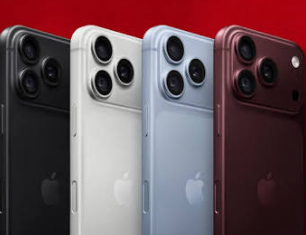
Apple introduced its latest flagship smartphones this week, the iPhone 18 Pro and iPhone 18 Pro Max, bringing a faster processor, an upgraded camera system and Apple’s own cellular modem to its premium lineup, while raising prices by $100 over last year’s models.
The new devices are powered by Apple’s A20 Pro chip, manufactured using a 2-nanometer process the company says brings notable improvements in both speed and power efficiency. A more consequential change lies in connectivity: Apple has swapped out the Qualcomm modem used in last year’s Pro models for its own in-house C2 chip, a long-anticipated step the company says will improve network reliability and extend battery life.
On the imaging side, the primary 48-megapixel camera now includes a variable aperture, giving users more control over depth of field and low-light shots than the fixed-aperture lens on the previous generation. Apple also reworked its Dynamic Island interface element, which can now track three separate Live Activities at once — for example, showing a live sports score, a music session and turn-by-turn directions simultaneously.
Battery performance improved as well, with Apple rating the Pro Max for up to 45 hours of video playback, up from 39 hours previously, helped by a larger cell and a redesigned internal cooling system with triple the surface area of the outgoing model, which the company says helps the phone maintain performance during heavier workloads.
The new Pro Max is slightly heavier than its predecessor, weighing 249 grams versus 233 grams, though its screen size and general aluminum-and-ceramic construction remain unchanged from last year. Buyers can choose from four colors, including a new burgundy finish that replaces one of last year’s options.
Pricing for the iPhone 18 Pro Max starts at $1,299, a $100 jump from the prior model, continuing a trend of rising costs across Apple’s product line this year that the company has partly attributed to surging global demand for memory chips used in artificial intelligence hardware.
The new phones go on sale September 18 in more than 65 countries, with availability expanding to roughly 20 additional markets a week later.