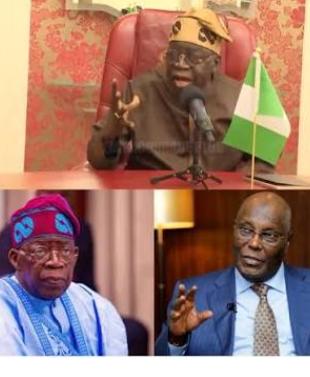
Former Vice President Atiku Abubakar, the presidential candidate of the African Democratic Congress, pledged on Wednesday to restore Nigeria’s petrol subsidy if he wins the January 2027 election, drawing a sharp rebuke from President Bola Tinubu, who dismissed the proposal as a sign of ignorance about the country’s economic realities.
Speaking in a Hausa-language interview, Atiku said his objection was not to the original removal of the subsidy but to the government’s failure to account for the savings it generated. “I initially did not oppose the removal of the fuel subsidy. But now that it has been removed, where is the money?” he said, adding that anyone found to have diverted subsidy funds would be made to repay them if he takes office.
Tinubu ended Nigeria’s decades-old fuel subsidy regime in his inauguration speech on May 29, 2023, declaring the policy unsustainable. The move triggered a sharp rise in petrol prices and a broader increase in the cost of living, prompting nationwide protests in mid-2024. The government has defended the decision as necessary to ease fiscal pressure, pointing to increased monthly allocations to state governments and infrastructure spending funded by the savings. Nigeria’s finance ministry said this week that the removal of the subsidy and the liberalization of the naira had generated 15.8 trillion naira in savings for the federation between June 2023 and December 2025.
Responding to Atiku’s pledge on Thursday while hosting Osun State Governor Ademola Adeleke, Tinubu said the proposal reflected poor understanding of governance and economic policy. He said his administration had inherited a fiscal crisis in which most Nigerian states were unable to pay salaries or pensions before the reforms took effect.
Atiku’s promise sets fuel subsidy policy as an early flashpoint in the 2027 presidential race, which is also expected to feature Labour Party’s Peter Obi. Nigerian officials have previously ruled out any reversal of the subsidy removal, with Tinubu describing the decision as painful but necessary during the 2024 protests.