Spain’s rail network, long regarded as one of Europe’s most efficient and safest, has come under intense public scrutiny following two serious train accidents occurring within days of each other. The latest incident — a commuter train derailment near Barcelona that killed one person and injured dozens — has reignited national debate about infrastructure safety, climate resilience, and accountability, especially as the country was still reeling from a far deadlier high-speed train collision earlier in the week.
While authorities stress that the two incidents are unrelated, their close timing has amplified public anxiety and prompted urgent questions about whether Spain’s rail system is adequately prepared for emerging risks, including extreme weather and aging infrastructure.
The Barcelona Commuter Train Accident
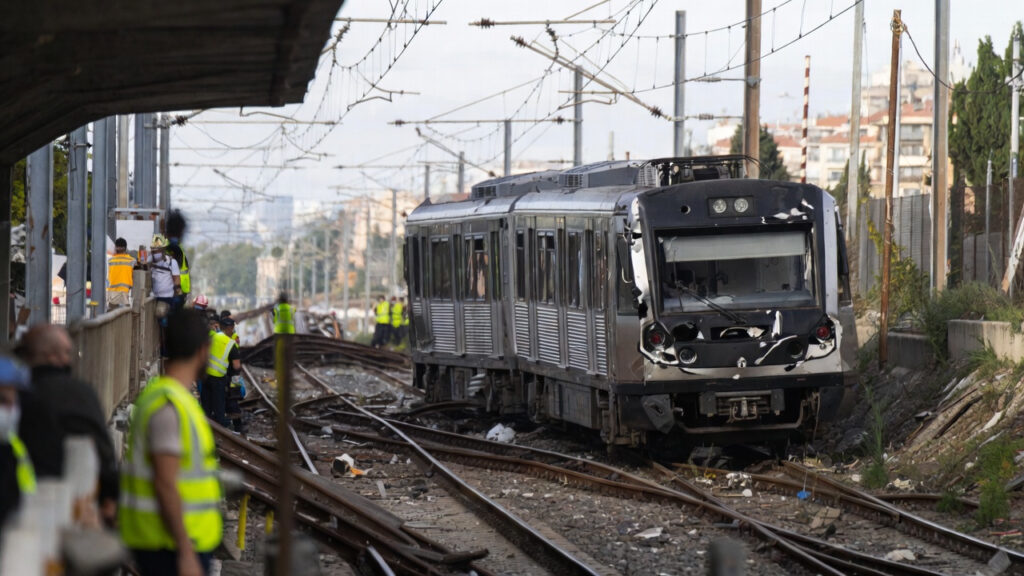
The most recent crash occurred on a suburban rail line serving the greater Barcelona area, part of the Rodalies commuter network used daily by thousands of passengers. According to emergency services, the train derailed after striking debris on the tracks, believed to have come from a nearby retaining structure that collapsed following heavy rainfall.
The accident took place in the evening hours, when commuter traffic was still active. One railway worker, identified as the train’s driver, lost his life in the crash. More than 30 passengers sustained injuries of varying severity, with several requiring hospital treatment. Emergency responders, including firefighters, medical teams, and police units, were dispatched rapidly to the scene, working for hours to evacuate passengers and stabilize the injured.
Rail traffic along the affected section was suspended immediately, with authorities arranging alternative transport while engineers began assessing damage to the track and surrounding infrastructure. Officials described the response as swift and coordinated but acknowledged that the incident raised serious concerns about the resilience of rail infrastructure in the face of severe weather.
A Country Still in Mourning
The Barcelona derailment came just days after Spain experienced one of its deadliest rail disasters in years: a high-speed train collision in southern Spain that claimed dozens of lives and injured hundreds. That crash, involving two passenger trains on a major intercity route, shocked the nation and led the government to declare a period of national mourning.
As flags were lowered and memorial services held, news of another fatal train accident — even one far less deadly — felt to many Spaniards like a cruel continuation of an already painful week. Social media platforms filled with expressions of grief, anger, and disbelief, as commuters questioned whether rail travel remained as safe as they had long assumed.
Government officials were quick to emphasize that the two accidents occurred under very different circumstances: one on a high-speed intercity line, the other on a regional commuter route affected by environmental factors. Still, the emotional impact of their proximity has been profound.
Initial Findings and Weather Concerns
Preliminary assessments suggest that heavy rainfall played a key role in the Barcelona crash. In recent years, parts of Spain — including Catalonia — have experienced increasingly intense weather patterns, with sudden downpours placing strain on drainage systems, embankments, and retaining walls.
Engineers investigating the site are focusing on whether the collapsed structure had shown prior signs of weakness and whether inspection or maintenance schedules were sufficient. Transport authorities have stated that determining responsibility will require a thorough technical review and warned against drawing premature conclusions.
Climate experts note that transport infrastructure across Europe is facing new challenges as weather extremes become more frequent. Railways, which rely on stable ground conditions and precise alignments, can be particularly vulnerable when soil erosion or structural failures occur suddenly.
Emergency Response and Passenger Accounts
Passengers who survived the derailment described moments of fear and confusion as the train jolted abruptly and came to a halt. Some reported being thrown from their seats, while others helped fellow travelers exit damaged carriages. Emergency crews worked methodically, prioritizing the injured and ensuring that all passengers were safely accounted for.
Medical officials praised the cooperation of passengers and the professionalism of first responders, noting that rapid evacuation likely prevented more serious outcomes. Hospitals in the region activated emergency protocols to receive the injured, several of whom remained under observation in the days following the crash.
Rail unions also expressed condolences to the family of the deceased driver, highlighting the risks faced by frontline transport workers and calling for renewed investment in safety measures.
Rail Safety Under the Spotlight
Spain has invested heavily in rail transport over the past two decades, building one of the largest high-speed rail networks in the world while maintaining extensive regional and commuter services. These investments have been credited with reducing road traffic, lowering emissions, and improving connectivity between cities.
However, critics argue that maintaining such a vast network requires constant vigilance and sustained funding — particularly for older structures and secondary lines that may not receive the same attention as flagship high-speed routes.
The back-to-back accidents have prompted lawmakers to demand detailed reports on inspection regimes, maintenance backlogs, and emergency preparedness. Opposition parties have accused the government of focusing too heavily on expansion at the expense of upkeep, a claim officials deny.
Political and Public Pressure
In the wake of the accidents, Spain’s transport ministry has pledged full transparency and cooperation with investigators. Senior officials have stated that any systemic weaknesses uncovered will be addressed, and that safety remains the top priority.
Public pressure is mounting for concrete action rather than reassurances. Commuters, particularly in urban areas like Barcelona, rely on trains as an essential part of daily life. Disruptions and safety fears can have wide-ranging economic and social consequences.
Some civic groups are calling for independent audits of rail infrastructure, while others urge better communication with passengers about risks and ongoing maintenance work.
Looking Ahead
The Barcelona commuter train crash, though far less deadly than the earlier high-speed collision, has become part of a broader national reckoning with rail safety. Together, the two incidents highlight the complexity of managing a modern transport system amid evolving environmental and operational challenges.
For families affected by the accidents, investigations and policy debates offer little immediate comfort. Their focus remains on recovery, remembrance, and support. For the wider public, trust in the rail system — built over years of reliable service — has been shaken but not broken.
As Spain moves forward, the coming months will be crucial. The findings of ongoing investigations, the government’s response, and any resulting reforms will shape not only public confidence but also the future direction of one of the country’s most vital public services.
What is clear is that the lessons drawn from this tragic week will carry lasting significance, influencing how Spain balances growth, safety, and resilience in its rail network for years to come.