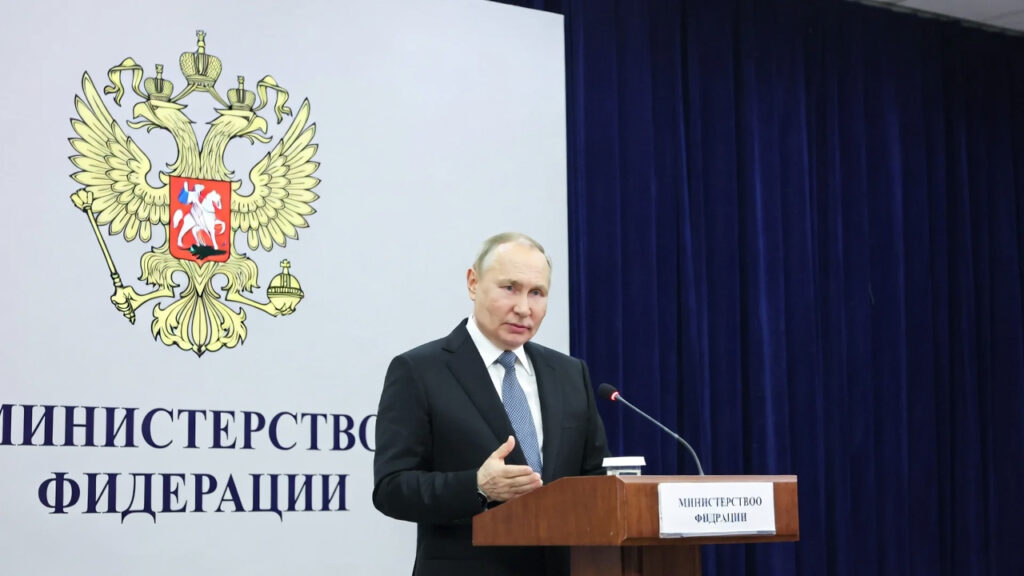
The Kremlin has described discussions about Russia’s possible participation in a proposed Gaza “Board of Peace” as premature, signaling caution as international efforts continue to explore frameworks for post-conflict governance in the territory.
Speaking to reporters, Kremlin officials said no concrete proposals or formal invitations have been presented to Moscow, stressing that it would be too early to speculate about Russia’s involvement in any new international mechanism related to Gaza. The comments come amid growing diplomatic activity focused on stabilizing the region and shaping a political path forward after months of conflict.
The idea of a Gaza “Board of Peace” has been floated in diplomatic circles as a potential multinational body that could oversee reconstruction, security coordination, and governance arrangements once conditions allow. However, details about its structure, membership, and authority remain unclear, with different stakeholders expressing varying views on how such a body should function.
Russia has consistently positioned itself as a supporter of a negotiated settlement to the Israeli-Palestinian conflict, emphasizing the need for a comprehensive political solution based on international law. At the same time, Moscow has sought to maintain relations with a broad range of regional actors, often urging inclusive dialogue rather than externally imposed arrangements.
By describing the issue as premature, the Kremlin appears to be signaling that it is waiting for clearer outlines and broader international consensus before considering any formal role. Analysts say the statement reflects Russia’s cautious approach to initiatives that are still in the conceptual stage and heavily influenced by evolving dynamics on the ground.
As diplomatic discussions continue, questions remain over who would participate in any future Gaza governance framework and how competing interests among global and regional powers could be balanced. For now, Russia’s position suggests it is keeping its options open while avoiding early commitments in a complex and sensitive diplomatic process.