Real stories. Raw truth Fast accuracy

We cut through the spin and social media outrage to bring you deeply researched, independent journalism you can actually trust.

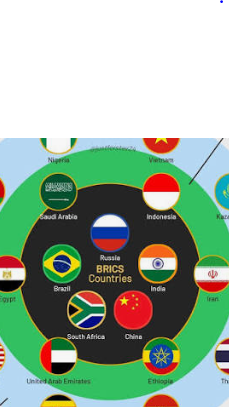
Egypt, Russia push for deeper economic ties, expanded trade within BRICS framework

Table of Content

Egypt and Russia are working to deepen their economic partnership and expand trade cooperation, officials from both countries said, building on a relationship that has grown steadily since Cairo joined the BRICS bloc in 2024.

Bilateral trade between the two countries reached roughly $10.5 billion last year, excluding tourism revenue, marking about a 12% increase from the previous year, according to Russia’s ambassador to Cairo, Georgy Borisenko. Wheat remains the backbone of that trade, with Egypt now Russia’s largest single buyer worldwide, importing roughly 10 million tons valued at about $3.1 billion — nearly a third of total bilateral trade — while iron and steel exports account for a further $1.3 billion, driven largely by Egypt’s ongoing construction projects.

Officials from both countries have pointed to Egypt’s BRICS membership as a catalyst for closer coordination. Egyptian President Abdel Fattah al-Sisi has held a series of meetings with senior Russian officials this year, including with Kremlin aide Nikolai Patrushev in April, focused on advancing joint initiatives such as the El-Dabaa Nuclear Power Plant and a dedicated Russian industrial zone within the Suez Canal Economic Zone.

Cooperation has also expanded well beyond traditional trade. Egypt’s industry minister said in May that bilateral cooperation now spans industry, energy, technology, food security and supply chains, describing Cairo’s ambition to position itself as a regional logistics and industrial hub linking Africa, the Arab world, Europe and Asia.

Agriculture remains a key pillar of the relationship as well. Egyptian officials said the two sides have agreed to increase trade in grains, localize agricultural equipment manufacturing within the Suez Canal Economic Zone, and deepen cooperation in dairy and meat production, with plans to organize a joint business forum. Separately, Cairo has said it is studying the creation of a grain logistics hub in partnership with Moscow, aimed at reinforcing Egypt’s role as a regional trade and distribution center.

Egypt is also negotiating a separate free trade agreement with the Russia-led Eurasian Economic Union, which would extend preferential market access to Russia, Armenia, Belarus, Kazakhstan and Kyrgyzstan and is expected to be finalized later this year or in 2027. Analysts say that agreement, once ratified, could push bilateral trade volumes significantly higher.

The push comes as BRICS members more broadly weigh how to deepen trade cooperation within the bloc. A recent UN Trade and Development report found that most BRICS economies, including Egypt and Russia, still rely heavily on primary commodities for the bulk of their exports to fellow members, and called for a broader “Trade+” strategy addressing regulatory, industrial and financial barriers to deeper integration.

support@paulkizitoblog.com

support@paulkizitoblog.com http://paulkizitoblog.com

Leave a Reply

Your email address will not be published. Required fields are marked *

Recent News

Trending News

Editor's Picks

Egypt, Russia push for deeper economic ties, expanded trade within BRICS framework

Egypt and Russia are working to deepen their economic partnership and expand trade cooperation, officials from both countries said, building on a relationship that has grown steadily since Cairo joined the BRICS bloc in 2024. Bilateral trade between the two countries reached roughly $10.5 billion last year, excluding tourism revenue, marking about a 12% increase from the previous year, according to Russia’s ambassador to Cairo, Georgy Borisenko. Wheat remains the backbone of that trade, with Egypt now Russia’s largest single buyer worldwide, importing roughly 10 million tons valued at about $3.1 billion — nearly a third of total bilateral trade — while iron and steel exports account for a further $1.3 billion, driven largely by Egypt’s ongoing construction projects. Officials from both countries have pointed to Egypt’s BRICS membership as a catalyst for closer coordination. Egyptian President Abdel Fattah al-Sisi has held a series of meetings with senior Russian officials this year, including with Kremlin aide Nikolai Patrushev in April, focused on advancing joint initiatives such as the El-Dabaa Nuclear Power Plant and a dedicated Russian industrial zone within the Suez Canal Economic Zone. Cooperation has also expanded well beyond traditional trade. Egypt’s industry minister said in May that bilateral cooperation now spans industry, energy, technology, food security and supply chains, describing Cairo’s ambition to position itself as a regional logistics and industrial hub linking Africa, the Arab world, Europe and Asia. Agriculture remains a key pillar of the relationship as well. Egyptian officials said the two sides have agreed to increase trade in grains, localize agricultural equipment manufacturing within the Suez Canal Economic Zone, and deepen cooperation in dairy and meat production, with plans to organize a joint business forum. Separately, Cairo has said it is studying the creation of a grain logistics hub in partnership with Moscow, aimed at reinforcing Egypt’s role as a regional trade and distribution center. Egypt is also negotiating a separate free trade agreement with the Russia-led Eurasian Economic Union, which would extend preferential market access to Russia, Armenia, Belarus, Kazakhstan and Kyrgyzstan and is expected to be finalized later this year or in 2027. Analysts say that agreement, once ratified, could push bilateral trade volumes significantly higher. The push comes as BRICS members more broadly weigh how to deepen trade cooperation within the bloc. A recent UN Trade and Development report found that most BRICS economies, including Egypt and Russia, still rely heavily on primary commodities for the bulk of their exports to fellow members, and called for a broader “Trade+” strategy addressing regulatory, industrial and financial barriers to deeper integration. support@paulkizitoblog.com