French leader Emmanuel Macron said on Monday – May 12, 2026 – that things have settled around the hantavirus scare sparked by an unusual fatal case on the MV Hondius cruise vessel. Though tension ran high at first, officials now claim the spread is contained, with no signs it slipped beyond the initial incident.
Out of Nairobi, mid-official trip, Macron said strict measures are now in place. Tough choices were taken to limit possible outbreaks. Stay alert, he suggested, though not on high panic mode. This isn’t another COVID scenario, he clarified. Hantavirus? It’s familiar ground – spreads differently, behaves unlike past threats.
The MV Hondius Outbreak
Out of nowhere, this event caught the world’s eye – simply because so many people died from that particular version. Not every outbreak hits this hard, yet this one did. What stands out is how deadly it turned out, more than expected. Attention grew fast, crossing borders without warning. Few saw it coming. Numbers spoke louder than words ever could
A sudden outbreak hit while the ship moved across waters, its route stretching from Argentina toward Cape Verde. This boat flew the flag of the Netherlands, sailing under calm skies before everything changed. Infection crept through cabins one by one, quiet at first, then impossible to ignore.
By May 13, health officials counted three lives lost. Eight people had fallen ill, verified by the World Health Organization. Not every case ended in death. Some recovered quietly. Reports arrived slowly. Numbers stayed low but certain. Each detail checked twice before release. No guesses included.
Outbreaks trace back to a germ called the Andes virus. Most germs like it move just from rats to people – this one can sometimes hop between people when they’re near each other.
France now
Few cases spotted so far in France, says Health Minister Stéphanie Rist. Not enough signs point to broad spread just yet. She notes monitoring continues closely across regions. No clear pattern emerges at this stage. Officials watch carefully for shifts ahead.
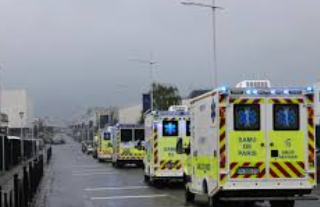
Flying home began with five French nationals leaving the vessel near Tenerife. Military jets carried them onward after evacuation from deckside chaos. Their journey ended at a quiet airfield just outside Paris. Air support shifted into motion once officials confirmed departure needs. Early morning coordination made movement possible under low light. Once airborne, communication turned sparse but steady. Landing marked the close of their sea-based ordeal.
A single case stands out – a woman from France showed signs while still on board the plane, later confirmed by test results. At Bichat hospital in Paris, she remains under close watch today. What seemed severe at first has shifted; doctors now say her state is steady inside the critical unit. Her path through treatment continues without sudden change.
One more thing happens inside – four travelers from France stay cut off completely, watched closely just in case signs show up.
Global Response
Most people around the world face little danger, say experts from the WHO and Europe’s disease control agency. Close quarters on the cruise vessel likely fueled the outbreak – since catching the virus usually means long exposure to someone sick or their fluids. That tight setting made transmission easier than usual.
Back home now, travelers from twenty-three nations – such as the United Kingdom, United States, Spain, and the Netherlands – were moved safely through tight isolation rules meant to keep the virus from spreading further.