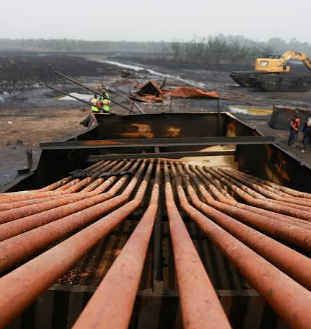
Nigeria’s security forces say criminal networks behind crude oil theft and illegal refining are becoming more sophisticated, increasingly relocating operations from remote creeks into markets, warehouses and residential areas to blend in with legitimate commerce and evade detection.
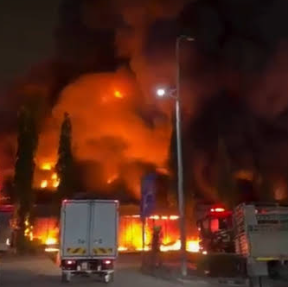
A joint operation in January uncovered a roadside market on the Port Harcourt-Aba Expressway that was secretly functioning as a storage, processing and distribution hub for stolen crude linked to the Trans-Niger Pipeline, with warehouses containing crude oil, refined products and generators modified to run directly on crude. Security officials say similar patterns have emerged across Rivers, Imo, Abia and Delta states, as networks seek faster access to buyers and reduced logistics costs while complicating enforcement due to the risk of civilian casualties during raids.
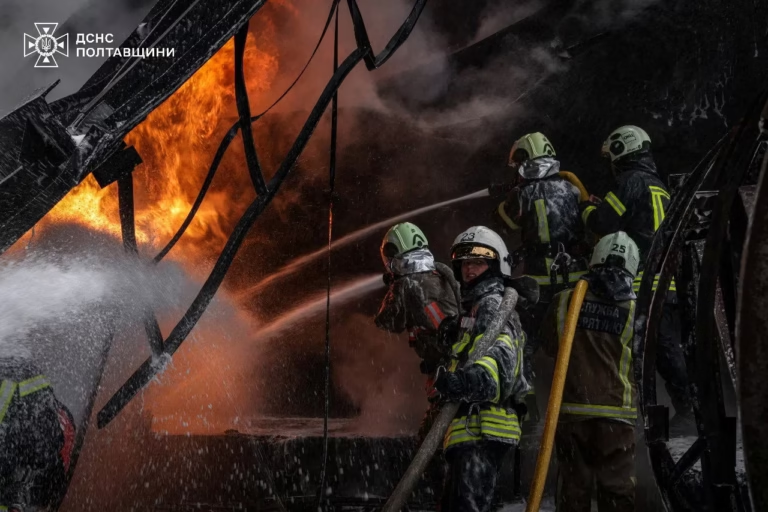
The shift comes despite sustained military crackdowns. The Defence Headquarters said the armed forces recovered more than 464,000 litres of stolen petroleum products and dismantled 12 illegal refining sites in the second quarter of 2026 alone, arresting 84 suspects across Rivers, Bayelsa, Delta and Akwa Ibom states. The Navy separately reported dismantling a major refining complex in Rivers State’s Ahoada West area last week, recovering more than 205,000 litres of stolen crude and refined products under its ongoing Operation Delta Sentinel.
Despite the recoveries, analysts caution that raids alone are insufficient without follow-through prosecutions, permanent closure of illegal access routes, and economic alternatives for host communities, warning that dismantled networks often simply re-emerge elsewhere. Nigeria loses billions of dollars annually to oil theft, which also causes significant environmental damage from waste discharged into soil and waterways near refining sites.