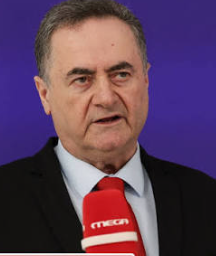
Israeli forces struck targets in southern Lebanon on Wednesday as Defence Minister Israel Katz declared during a visit to the front line that the military would remain in the country’s south “under no circumstances.”
Katz, touring army positions in the so-called security zone, said Israel intended to keep troops in occupied areas of Lebanon, Syria and Gaza indefinitely, according to Israeli media reports. “The IDF is here to stay in the security zones in Lebanon, Syria and Gaza to protect the entire State of Israel,” he said, adding that he had ordered the military to prepare for a long-term presence.
Katz also repeated earlier boasts about the destruction of infrastructure in southern Lebanon, comments Lebanese officials and rights advocates have condemned as evidence of war crimes.
The remarks drew a rebuke from Washington. A State Department official said the comments contradicted Israel’s earlier assurances that it had no territorial ambitions in Lebanon, adding that a permanent military presence in the south would be inconsistent with commitments made under a US-brokered framework agreement reached in June.
That framework, signed nearly two months ago, calls for the disarmament of the Iran-backed Hezbollah movement, a phased Israeli withdrawal from southern Lebanon, and deployment of the Lebanese army to the region, beginning with designated “pilot zones.” Washington has scheduled a new round of talks between Israeli and Lebanese officials for early September in Rome.
Despite the framework, Israeli strikes in southern Lebanon have continued intermittently in recent weeks. Lebanon’s parliament, meanwhile, passed a general amnesty law on Wednesday allowing the return of former fighters from the Israeli-backed South Lebanon Army, a militia that collapsed when Israeli forces withdrew from a 15-year occupation of the south in 2000.
Netanyahu and Katz have repeatedly said Israeli troops will not leave the security zone until Hezbollah is disarmed, a position Lebanese officials say breaches the terms of the ceasefire framework and international law.