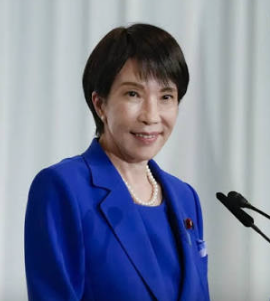
Japan on Monday restated its support for International Criminal Court President Tomoko Akane, days after rights groups and domestic critics accused Tokyo of responding too meekly to U.S. sanctions imposed on the Japanese judge.
The sanctions, announced by U.S. Secretary of State Marco Rubio on Aug. 19, targeted Akane and Senegalese lawyer Abdoulaye Seye, a member of the ICC prosecution team that sought an arrest warrant for Israeli Prime Minister Benjamin Netanyahu. The move brought the total number of sanctioned ICC officials to 13, including nine of the court’s 18 judges, both deputy prosecutors and its former chief prosecutor, as part of a broader Trump administration campaign against the Hague-based court, which Washington has called “corrupt and fatally politicized.”
Japan’s foreign ministry called the sanctions “very unfortunate” and said Tokyo has consistently supported the ICC’s work prosecuting the world’s most serious crimes. Prime Minister Sanae Takaichi separately described the measures as “deeply regrettable” and said she would continue coordinating closely with Washington and other governments involved, but her remarks came only after Akane had already been under sanction for several hours, and drew criticism from some domestic commentators and lawmakers within her own Liberal Democratic Party who said the response fell short of the firmer stance taken by European governments.
The European Union, several European governments and the United Nations have voiced stronger objections to the sanctions, with Dutch Foreign Minister Tom Berendsen saying the Netherlands, which hosts the court, opposed the measures and inviting Akane to discuss continued Dutch support. A spokesman for U.N. Secretary-General António Guterres said he was “seriously concerned.”
The episode has put Tokyo in an awkward position: Japan is the ICC’s largest financial contributor and has cited the court as a pillar of its rule-of-law diplomacy, but it also relies heavily on U.S. military support for its own defense and has historically avoided direct criticism of Washington. Some lawmakers have urged the government to press the U.S. to withdraw the sanctions outright and to more forcefully defend Akane, the first Japanese national to lead the court.