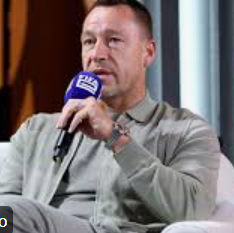
Former John Terry has ignited a fresh wave of public debate after appearing to support a controversial proposal to ban the burqa in public spaces across United Kingdom.
The ex-captain of Chelsea FC and a long-time figure in English football made headlines after engaging with content online that endorsed stricter regulations on face coverings. While Terry did not issue a detailed statement, his apparent support was enough to trigger widespread reaction across social and political circles.
The proposal itself—centered on restricting full-face veils such as the burqa—has long been a divisive issue in Britain and across Europe. Supporters argue that such measures are tied to national security, integration, and social cohesion. Critics, however, view them as discriminatory, disproportionately targeting Muslim women and infringing on personal freedoms.
Terry’s involvement has amplified the conversation, drawing attention beyond political arenas and into the world of sports. As a prominent former England national team captain, his views carry influence, particularly among fans who may not typically engage with policy debates.
Public reaction has been sharply divided. Some have defended Terry’s right to express an opinion on national issues, while others have criticized him for lending his platform to a sensitive and polarizing topic without nuance.
The episode highlights a broader trend: athletes and public figures increasingly stepping into political and cultural discussions, often with significant impact. In an era where social media blurs the line between personal views and public influence, even a single gesture can ignite international conversation.
As debate continues, the focus is likely to remain not only on the policy itself, but also on the role of high-profile individuals in shaping discourse around identity, religion, and national values.