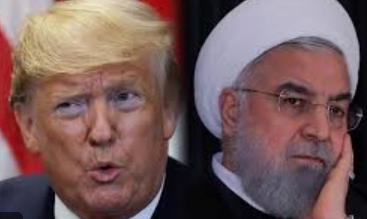
A sharp escalation between Iran and the United States is raising fears of a broader regional conflict, after Tehran warned it could “completely” shut down the Strait of Hormuz in response to a hardline ultimatum from President Donald Trump.
The warning followed a 48-hour deadline issued by President Trump, demanding that Iran guarantee safe passage through the narrow waterway or face potential U.S. strikes on its energy infrastructure. The Strait, a narrow corridor between the Persian Gulf and the open ocean, is one of the world’s most critical oil transit routes—handling a significant share of global crude shipments each day.
Iranian officials have framed their response as both defensive and retaliatory. Alongside the threat to close the Strait, Tehran signaled it could target power plants and energy facilities across the region, particularly in countries perceived to be aligned with Washington. The language marks a shift from contained confrontation to a broader strategy that could pull multiple states into the conflict.
Energy markets reacted swiftly. Oil prices climbed amid fears of supply disruption, while investors moved cautiously as the possibility of a prolonged standoff grew. Even a temporary closure of the Strait of Hormuz would ripple through global supply chains, raising fuel costs and intensifying economic pressure far beyond the Middle East.
Security analysts warn that the situation carries a high risk of miscalculation. Any military move to enforce or resist control over the Strait could trigger direct clashes at sea, where U.S. naval forces and Iranian units operate in close proximity. Such a scenario would not only endanger shipping lanes but could also draw in regional powers with vested interests in maintaining energy flows.
For now, both sides appear locked in a test of resolve. Washington is signaling readiness to act, while Tehran is emphasizing its capacity to disrupt one of the world’s most vital economic arteries. The coming days may determine whether this confrontation remains a war of words—or becomes a conflict with global consequences.