
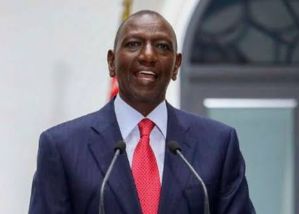
A growing chorus of Kenyan commentators is questioning President William Ruto’s push for a new 35-year development blueprint, Vision 2060, arguing the government should first account for the shortfalls of its predecessor, Vision 2030, before setting fresh long-term targets.
In an opinion piece published by The Standard, one columnist argued that Kenya’s political leadership has repeatedly turned to distant, ambitious visions as a way of avoiding present-day economic problems, arguing that genuine progress requires tackling corruption and strengthening basic governance now rather than deferring reform to a future decade. The piece pointed to Vision 2030, launched in 2008 with the goal of transforming Kenya into a newly industrialized, upper-middle-income country, saying that with roughly three and a half years left before its 2030 deadline, key targets — including a pledge to sustain 10% annual economic growth — remain far off, with actual growth averaging between 4% and 5% over recent years.
Ruto unveiled the Vision 2060 framework in a July 30 address from State House, describing it as a successor to Vision 2030 that would guide Kenya toward becoming a prosperous, industrialized and globally competitive economy, with public consultations on the plan beginning in mid-August. Ruto has said the new blueprint should be shaped by ordinary Kenyans rather than government officials.
Other commentators, writing in Kenyan outlets including the Daily Nation and Capital FM, have raised similar concerns, questioning whether the government can credibly ask citizens focused on immediate economic hardship — including unemployment, rising living costs and stagnant incomes — to engage in a conversation about the country’s outlook decades from now. Several writers called for an honest public accounting of Vision 2030’s shortcomings, including unmet job-creation and poverty-reduction targets, as a starting point for any new framework, while officials within Ruto’s administration have defended the initiative as consistent with how successful economies plan for long-term development while continuing to implement existing programs.