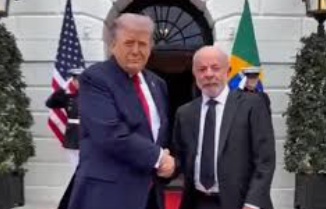
Out of Washington comes word that Brazil’s leader, Luiz Inácio Lula da Silva, feels more hopeful after
sitting down with Donald Trump at the White House for three hours midweek. The talks, held Thursday, seem to have smoothed over tough disagreements on trade while keeping fresh American tariff threats at bay – so far.
A monthlong deadline now pushes both nations’ trade teams toward agreement, aiming to clear hurdles around export taxes alongside Washington’s scrutiny of Brazil’s commercial behavior under its Section 301 probe. Though tensions flared last year when American tariffs spiked sharply – rising between forty and fifty percent – they later eased, settling at today’s ten percent level after diplomatic pressure reshaped the standoff.
Trade and “Chemistry”
Lula called his connection with Trump honest, saying a real personal spark made tough talks possible. A kind of ease between them opened doors for frank words now and then.
A fresh idea came from Lula – a focused team could tackle those leftover 10% tariffs. On top of that, it would look into American worries about Brazil’s quick money tool called Pix.
Still, gaps linger on farm disputes along with online commerce rules. Yet Trump called the talk useful, saying it moved things forward. He described Lula as full of energy, someone who pushes hard during talks.
Broader Strategic Cooperation
Security talks came first, then plans for sharing resources took shape alongside commerce discussions
One nation joined forces with another to squeeze global crime networks by targeting their money. Operations now link American and Brazilian financial authorities in shared efforts. Cutting off funds became a common goal, using coordinated actions across borders. Pressure mounts on gangs as both countries align enforcement tactics. Money trails guide the work, exposing hidden flows. Together, they aim to weaken powerful underground systems.
Out of nowhere, talks surfaced about American interest in Brazil’s vast rare earth resources – the planet’s second-biggest stash – yet Brasília made clear it won’t allow raw exports. Instead, any deal must involve local refining. Though cooperation looms possible, control stays firmly at home. Decisions hinge on sovereignty, not shortcuts.
Still, Lula made clear Brazil welcomes collaboration. Yet when it comes to democracy and self-rule, lines won’t be crossed. Talks of labeling local groups as terrorists by the United States? That crosses a boundary. Open doors don’t mean open season. Trust matters, but so does standing firm. Decisions here are made in Brasília, not elsewhere. Outside pressure bends nothing. Cooperation thrives only if respect leads. Ultimatums have no place. The nation listens, weighs, then chooses freely.
One step back from tension – this meeting sets a quieter tone between the pair of large, elected nations. Down the road, more talks at lower levels will put structure around fresh deals on trade and defense.