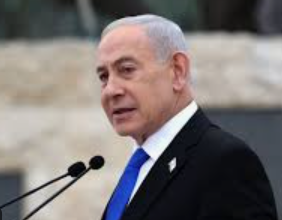
PM Netanyahu stood up Sunday saying the stand-off with Iran still burns. Hitting key goals? Not yet, he stressed. Getting rid of enriched uranium, tearing down nuclear setups in Tehran – that work hasn’t landed. The job, as he sees it, sits unfinished.
Netanyahu made his point clear in a CBS News interview – after the U.S. and Israel struck targets starting February 28, Iran’s power took a hit, yet danger lingers while enriched uranium stays put. He didn’t blink when explaining: remove what’s inside, get it gone. That stash? Roughly 970 pounds of weapons-ready uranium, according to global inspectors who’ve been watching closely.
Conditions for Peace
A ceasefire must first meet tough conditions, set by the leader. Only then might lasting peace follow. One clear demand comes after another. When all are met, talks could move forward. No pause without full compliance. Each step ties to the next. Progress depends on strict adherence. What happens rests on these terms.
Taking apart a nuclear setup means getting rid of every bit of highly enriched uranium by hand. One step further – facilities built for enriching that material come down completely. Not just shut off – ripped out piece by piece until nothing remains. The work? Full teardown, no parts left behind. Everything tied to enrichment is broken up, taken away. No shortcuts, no remnants hiding in corners. Each structure linked to the process ends up dismantled beyond reuse. This isn’t pausing operations – it’s erasing them entirely.
building missiles stops – full stop. Launch spots crumble under careful teardowns instead. Not a single new rocket rolls out from old facilities anymore. Sites once busy with tests now sit empty, silenced for good. Every step moves away from long-range threats, piece by piece.
Wiping out Iran’s reach across the region means taking down groups tied to it. One example is Hezbollah, active in Lebanon. Another path leads to Hamas. Then there’s the Houthi force operating in Yemen. Each piece connects back to a larger web. Removing these elements weakens the whole structure. Influence fades when support dissolves. Power shifts once links break apart. Networks rely on connections staying strong. Break enough points and the system falters.
Ceasefire and Counter-Proposals
A shaky ceasefire, helped by Pakistan, still holds. Though talks have crept forward under the pause, Netanyahu said Israel waits – day after day – for Donald Trump’s call on what comes next. The American leader, he added, once spoke quietly about stepping in should talks collapse and the uranium stay put. Decisions hang, unmade, while silence stretches across borders.
Stuck. That is where things stand after Trump turned down Iran’s new 14-part offer, one calling for payments over past wars plus control of the waterway near Hormuz. Not fair – that was how official outlets in Tehran labeled America’s stance, saying it forces complete surrender to Washington’s plan. Still no movement.
Thinking Ahead and Local Effects
Netanyahu admitted during the conversation that Israel and the United States failed to predict how well Iran could interfere with shipping at the Strait of Hormuz. With quiet certainty, he said the standstill on water routes wrecked long-standing patterns in oil trading worldwide. Even so, he pointed out, Israel’s financial system stayed strong despite everything happening around it.
Even so, the leader said he worries about weaker backing for Israel across America. He claimed Beijing supplied key parts used in Iran’s rocket production. Still, he thinks Tehran’s regime might fall apart one day. That kind of breakdown could shut down its web of allies abroad without delay.