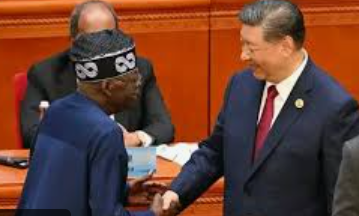
The day marked the start of a complete removal of tariffs on every single product line from Nigeria. Every item now moves without import taxes under this new deal.
The shift began quietly but carries weight across markets. Trade flows changed overnight due to this move. Not one tariff remains in place since the switch flipped. Commerce between the two nations looks different than it did just days before. A long-negotiated path led here. Now goods travel more freely than ever. This moment follows years of talks and planning.
A big new trade deal from China opens doors for Nigeria into a marketplace with more than 1.4 billion buyers. Though farm goods now face fewer hurdles getting in, leaders in Nigeria say true benefit comes only if they stop just shipping out unprocessed materials. Instead of selling basics alone, success might come through making finished products first.
Economic Effects and Rising Trade
After a historic year of growing ties, trade between the two countries hit more than $28 billion by 2025 – a huge jump from just 2005. Dropping tariffs might let African producers keep close to $1.4 billion each year in saved costs, analysts say.
Among those goods from Nigeria likely to become more competitively priced are:
Besides cashews, farmers grow sesame on the same plots. Sorghum follows in rotation across those fields too. Dried ginger gets harvested after short cycles under partial shade. Cocoa trees rise where rainfall supports them. One crop leads into another depending on season.
Fresh industries gaining ground include solid minerals alongside textiles. Light manufactured items also join the mix, forming a trio of rising areas. These sectors slowly take shape where little once stood.
Industrial Catalyst
Surprisingly, the Manufacturers Association of Nigeria sees the tariff-free period as a turning point for industry growth. Instead of short-term fixes, it offers predictability that global investors tend to favor. With steady conditions in place, factories handling raw materials could see more funding from abroad. Some business groups agree – it might just shift how things are built at home.
Out there among shifting markets, real gains hinge on leaving basic materials behind, said Engr. Mansur Ahmed from PAMA. With this effort in motion, factories gain chances – refurbishing equipment becomes possible, while better output follows when aiming at China’s tight requirements.
Diplomatic and Institutional Framework
One way China and African countries are connecting? Through zero tariffs under the FOCAC Beijing plan running from 2025 to 2027. Instead of just cutting duties, they’re also creating fast-track routes that speed up border checks. These green lanes aim to tighten how goods move between regions. Smoother logistics emerge when paperwork shrinks and shipments flow faster.
Out of the blue, China’s envoy to Nigeria, Yu Dunhai, pointed out how the policy creates steady ground for lasting collaboration. This fits alongside wider moves meant to boost ties among Global South nations while spreading economic reach. Not just one thing but another – it also supports shifting away from narrow reliance on single industries.