
Real stories. Raw truth Fast accuracy

We cut through the spin and social media outrage to bring you deeply researched, independent journalism you can actually trust.

Nigeria’s petroleum exports surge sevenfold since 2023

Table of Content

Nigeria’s seaborne petroleum product exports have grown sevenfold since 2023, the U.S. Energy Information Administration (EIA) said on Monday, as the country’s transformation from a fuel importer to a major regional supplier accelerates.

EIA data, drawn from Vortexa Analytics shipping figures, showed Nigeria’s seaborne petroleum product shipments averaged 561,000 barrels per day (bpd) in the second quarter of 2026, up from an annual average of just 79,000 bpd in 2023. Of that second-quarter total, roughly 350,000 bpd were exported, compared with an annual average of just 46,000 bpd in 2023.

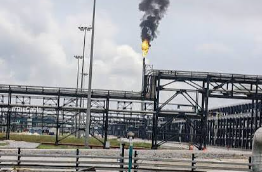
The growth is attributed almost entirely to the Dangote Petroleum Refinery, owned by Dangote Industries and located in the Lekki Free Trade Zone near Lagos. The refinery began operations in January 2024 and has since become Nigeria’s largest, with its impact deepening after maintenance and expansion work completed in February 2026 raised its crude distillation capacity from 650,000 bpd to 700,000 bpd.

The EIA said higher refinery runs, combined with disruptions to petroleum product flows through the Strait of Hormuz, helped push Nigeria’s total seaborne shipments higher in the second quarter. With increased domestic supply, Nigeria’s reliance on imports has fallen sharply: the country imported nearly 400,000 bpd of petroleum products in 2023, but seaborne imports had dropped to less than 130,000 bpd by the second quarter of 2026.

Export demand has grown across regions. Shipments to Europe averaged 130,000 bpd in the second quarter of 2026, up from 40,000 bpd in 2025 and just 15,000 bpd in 2023. Intra-Nigerian shipments also rose, to 211,000 bpd in the second quarter of 2026 from 81,000 bpd in 2025 and 33,000 bpd in 2023, reflecting the refinery’s growing role in domestic fuel supply.

support@paulkizitoblog.com

support@paulkizitoblog.com http://paulkizitoblog.com

Leave a Reply

Your email address will not be published. Required fields are marked *

Recent News

Trending News

Editor's Picks

Nigeria’s petroleum exports surge sevenfold since 2023

Nigeria’s seaborne petroleum product exports have grown sevenfold since 2023, the U.S. Energy Information Administration (EIA) said on Monday, as the country’s transformation from a fuel importer to a major regional supplier accelerates. EIA data, drawn from Vortexa Analytics shipping figures, showed Nigeria’s seaborne petroleum product shipments averaged 561,000 barrels per day (bpd) in the second quarter of 2026, up from an annual average of just 79,000 bpd in 2023. Of that second-quarter total, roughly 350,000 bpd were exported, compared with an annual average of just 46,000 bpd in 2023. The growth is attributed almost entirely to the Dangote Petroleum Refinery, owned by Dangote Industries and located in the Lekki Free Trade Zone near Lagos. The refinery began operations in January 2024 and has since become Nigeria’s largest, with its impact deepening after maintenance and expansion work completed in February 2026 raised its crude distillation capacity from 650,000 bpd to 700,000 bpd. The EIA said higher refinery runs, combined with disruptions to petroleum product flows through the Strait of Hormuz, helped push Nigeria’s total seaborne shipments higher in the second quarter. With increased domestic supply, Nigeria’s reliance on imports has fallen sharply: the country imported nearly 400,000 bpd of petroleum products in 2023, but seaborne imports had dropped to less than 130,000 bpd by the second quarter of 2026. Export demand has grown across regions. Shipments to Europe averaged 130,000 bpd in the second quarter of 2026, up from 40,000 bpd in 2025 and just 15,000 bpd in 2023. Intra-Nigerian shipments also rose, to 211,000 bpd in the second quarter of 2026 from 81,000 bpd in 2025 and 33,000 bpd in 2023, reflecting the refinery’s growing role in domestic fuel supply. support@paulkizitoblog.com